Unraveling TDP-43 pathology can be a complex process. Yet, it provides us with profound insights, most notably, about a key element leading to Amyotrophic Lateral Sclerosis (ALS) – a devastating neurodegenerative disorder – protein clumps. TDP-43 protein, when acting abnormally, leads to protein clumps, holding major clues to understanding the disease mechanism of ALS. Discovering the dark truth lurking behind TDP-43 pathology and protein clumps can revolutionize ALS treatment strategies, offering new hope to numerous patients. This article takes you into the depths of this mysterious pathway.
Delving into TDP-43 Pathology
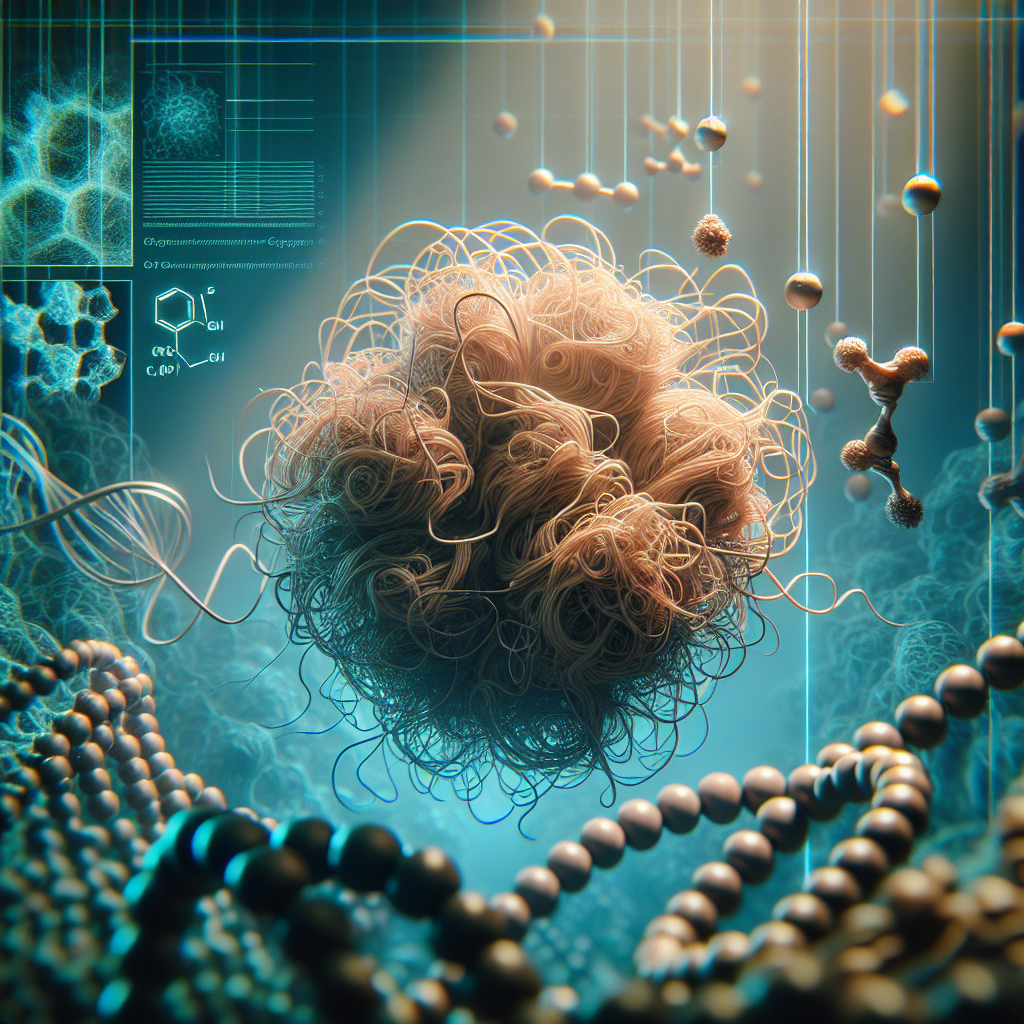
TDP-43 is a protein commonly found within the nucleus of a cell and plays a crucial role in regulating our genes. Ordinarily, TDP-43 is harmless. However, in cases of ALS, something triggers it to exit the nucleus, entering the cell’s cytoplasm[1]. In its new location, TDP-43 misfolds and aggregates, forming protein clumps, ALS’s signature pathology.
Misfolding and aggregation can instigate TDP-43’s toxicity, impeding neuron functioning and inducing cell death, which is a significant disease mechanism occurring with ALS. The exact trigger instigating the exodus and misfolding of TDP-43 from the nucleus remains unclear. Yet, research shows abnormal gene mutations could be potential contributors[2].
The integral role of Protein Clumps in ALS
Misfolded TDP-43 proteins accumulate, forming protein clumps (also called aggregates) in the cell’s cytoplasm, a characteristic feature of ALS. These clumps are not merely byproducts of the disease; they actively contribute to neuron damage. They can impede the regular functioning of cells, leading to their death in the long term.
Moreover, protein clumps might also propagate across neurons, spreading the pathology across the brain and the spinal cord [3]. For this reason, understanding the structure of these protein clumps could hold the key to unraveling the disease’s progression and spread.
Disease Mechanism: The Link Between TDP-43 and Neurodegeneration
The whole disease mechanism revolving around TDP-43 pathology and the subsequent formation of protein clumps is still obscure. Yet, a lot has been revealed. The mispositioning and misfolding of TDP-43 disrupt the normal functioning rhythm of a neuron. TDP-43 aggregates could also disrupt the maintenance of RNA molecules, which can contribute significantly to neuron degeneration[4].
Hence, the aberrant TDP-43 functions link directly to neurodegeneration, the central ALS disease mechanism. Unraveling this deep-seated mystery could lead to significant breakthroughs in our ALS treatment and management strategies.
The Continued Struggle to Unravel the TDP-43 Mystery
While our understanding of TDP-43 pathology and its role in ALS disease mechanism has come a long way, there is still much to discover, particularly about the nature, formation, and impact of protein clumps. The exact trigger for TDP-43 misfolding and the effective ways of stopping propogation remain elusive, but through continued research, we hope to uncover the obscure ALS disease mechanism soon.
For anyone grappling with the effects of ALS, this research holds hope. As we continue to uncover the secrets of TDP-43 pathology, we move closer to finding possibly life-altering treatments for this devastating disease.
We strongly advise anyone dealing with this disease to stay informed about the latest research. Reach out about your ALS and Real Water case through our website’s contact page. For further in-depth research articles on the subject, explore more related content on our blog page. If you require immediate assistance, do not hesitate to call us at 702-385-6000.
Your journey with ALS may be challenging, but together we can navigate it. Stay informed, stay connected.
References
– TDP-43 and FUS in amyotrophic lateral sclerosis and frontotemporal dementia70195-2/fulltext)
– Inhibition of RNA lariat debranching enzyme suppresses TDP-43 toxicity in ALS disease models
– Spreading of TDP-43 Pathology in Amyotrophic Lateral Sclerosis
– TDP-43 pathology, cognitive decline and dementia in old age