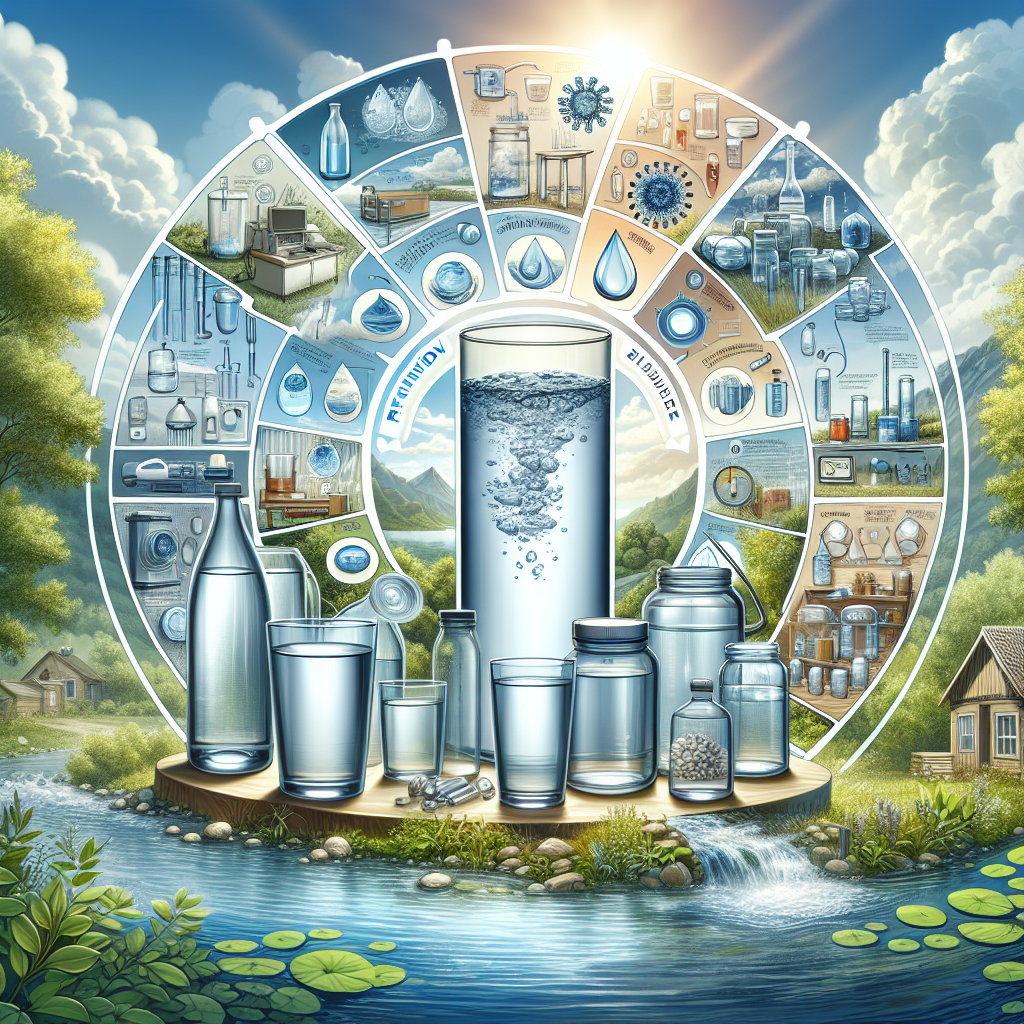
Waterborne illnesses are a global health concern that can cause various health issues, from mild gastroenteritis to severe conditions such as cholera. The path to prevention begins with essential knowledge about these diseases and how to protect yourself. In this comprehensive guide, we will explore the crucial aspects of waterborne illnesses and prevention strategies.
##Understanding Waterborne Illnesses
Before diving into prevention strategies, it’s essential to understand what waterborne illnesses are. These are conditions mainly caused by microorganisms like bacteria, viruses, and parasites primarily found in contaminated water. They can cause a wide array of health issues, including diarrhea, vomiting, stomach cramps, fever, and in extreme cases, life-threatening diseases such as cholera and dysentery.
Water contamination can occur due to a variety of reasons such as sewage overflows, broken sanitation systems, and natural disasters like floods. Consuming or even coming into contact with contaminated water can lead to an infection.
##Prevention is Better than Cure: Strategies to Avoid Waterborne Illnesses
Now that we have a good understanding of what waterborne illnesses are, let’s move to their prevention.
###Safe and Clean Water Source
The first and most crucial step in the prevention of waterborne illnesses is ensuring your source of water is safe. This includes using tested and treated water for consumption. If your primary source of water is a well, ensure it is adequately protected from contamination and tested regularly.
###Water Treatment
At home, consider using water filtration systems or disinfecting water using heat (boiling) or chemicals (bleach). These are efficient methods of killing or removing harmful pathogens. Be sure to follow manufacturer’s guidelines if you opt for commercial water treatment products.
###Proper Sanitation and Hygiene
Maintaining proper sanitation and hygiene is key to preventing waterborne illnesses. This includes washing hands thoroughly with clean water and soap, especially before eating, cooking, or after using the restroom. Proper waste disposal is also essential in keeping our environment and water sources clean.
###Safe Food Preparation
Waterborne diseases can also be contracted through food washed or prepared with contaminated water. Always use clean, safe water for washing and preparing food. Additionally, make sure to thoroughly cook seafood, as it can carry harmful microorganisms, which are another common source of waterborne illnesses.
###Travel Caution
When traveling, especially to a new place or a country with less developed water infrastructure, consume bottled water or bring your own portable water filters. Avoid consuming untreated water.
##Beyond Prevention: Action Steps For Waterborne Illness Exposure
Despite our best efforts, exposure to waterborne illnesses can sometimes be unavoidable. If you suspect you’ve been exposed to contaminated water, seek medical help immediately. Early detection and treatment can significantly reduce the risk of severe health complications.
In some instances, you might be exposed to contaminated water due to the negligence of a third party like a water company. In such cases, it’s advisable to take legal action. For instance, a recent case involving Real Water where several individuals developed severe health conditions directly linked to the consumption of the company’s alkaline water.
If you or your loved ones believe that you have a valid Real Water case or if you need more information on ALS related issues, do not hesitate to reach out to us. Visit our contact page at “/contact” to send your inquiries. Our expert team is ready to assist you with your legal needs.
For more informative articles like this one, visit our blog page at “/blog”. We regularly update it with informative content to help keep you safe and informed.
To speak directly to a representative, please call us at “702-385-6000”. We’re here to help you navigate through challenging health problems linked to waterborne illnesses and other environmental health hazards. Stay informed and stay safe!