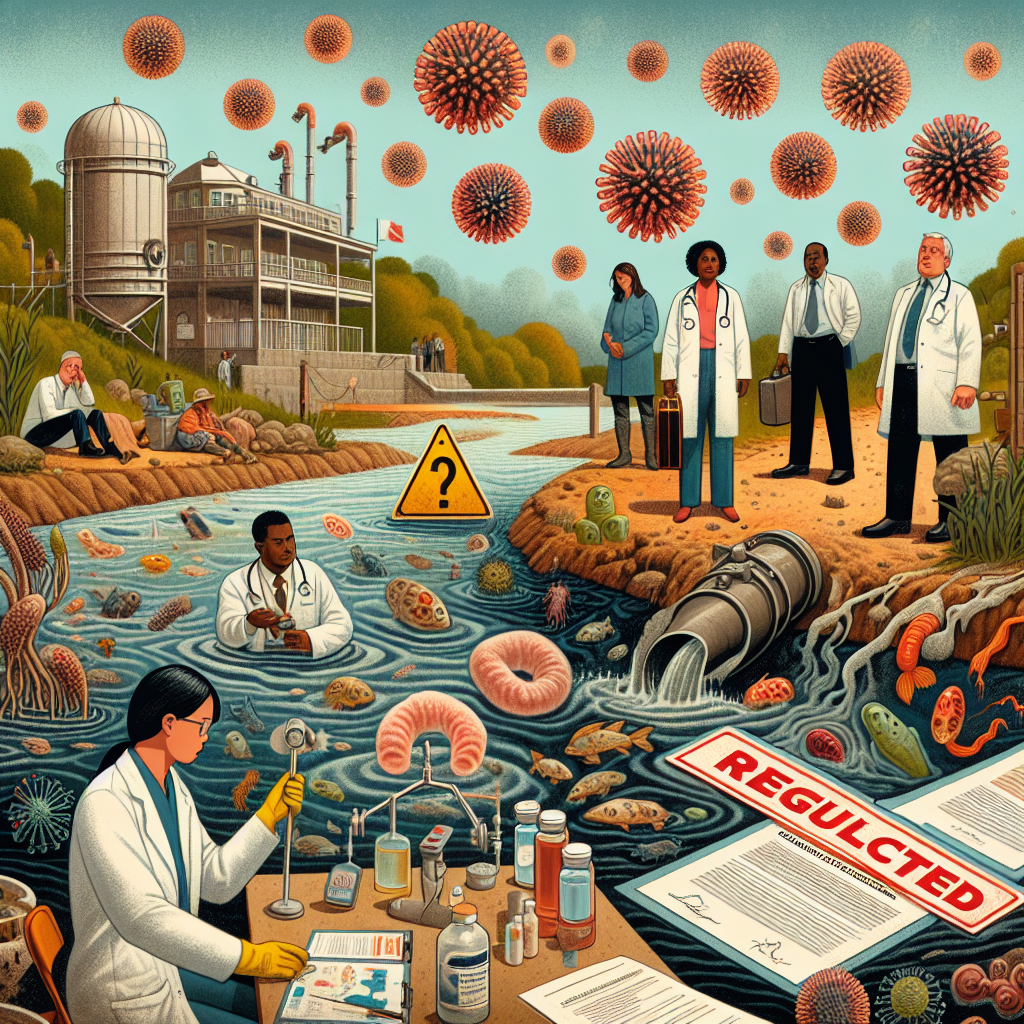
Title: The Fight Against Waterborne Illnesses: Uncovering Regulatory Failures
Waterborne illnesses pose a significant threat to public health, with outbreaks occurring globally due to contaminated water sources. Prevention is key in combating these diseases, but regulatory failures often hinder effective measures. In this article, we delve into the importance of preventing waterborne illnesses and shed light on the regulatory gaps that exist in safeguarding our water sources.
Understanding Waterborne Illnesses
Waterborne illnesses are caused by the ingestion of contaminated water containing harmful microbial pathogens or pollutants. Common pathogens responsible for waterborne diseases include bacteria, viruses, and parasites. The most prevalent waterborne illnesses include cholera, giardiasis, cryptosporidiosis, and norovirus infection, among others. These diseases can lead to severe gastrointestinal symptoms, dehydration, and in extreme cases, even death.
The Significance of Prevention
Prevention is crucial in reducing the incidence of waterborne illnesses and protecting public health. Proper water treatment, sanitation practices, and monitoring water quality are essential in preventing water contamination. Educational campaigns on safe water practices and hygiene also play a vital role in raising awareness among communities about the risks associated with consuming contaminated water.
Regulatory Frameworks and Oversight
Regulatory bodies are tasked with establishing and enforcing standards for water quality to ensure the safety of drinking water. However, regulatory failures can compromise the effectiveness of these measures. Inadequate monitoring, lack of enforcement mechanisms, and outdated regulations are some of the key factors contributing to regulatory lapses in safeguarding water sources.
Addressing Regulatory Failures
To address regulatory failures in preventing waterborne illnesses, regulatory agencies must prioritize the following actions:
– Strengthening Monitoring Systems: Implementing robust water quality monitoring systems to detect contamination early and prevent outbreaks.
– Enhancing Enforcement Measures: Enforcing strict regulations and imposing penalties on entities that violate water quality standards.
– Updating Regulatory Frameworks: Revising existing regulations to align with evolving scientific knowledge and emerging waterborne disease threats.
The Role of Public Awareness
Public awareness and engagement are essential components of effective waterborne illness prevention. By educating communities about the risks associated with consuming contaminated water and promoting hygienic practices, individuals can take proactive steps to protect themselves and their families from waterborne diseases.
Conclusion
Preventing waterborne illnesses requires a multi-faceted approach that involves collaboration between regulatory bodies, healthcare providers, communities, and individuals. By addressing regulatory failures and enhancing prevention efforts, we can mitigate the risks posed by contaminated water sources and safeguard public health.
For legal consultation on matters related to water quality regulations and public health, contact Kemp Jones Law Offices using the form on contact page.
—
This article provides insights into the importance of preventing waterborne illnesses and the regulatory failures that hinder effective prevention strategies. Subscribe to our newsletter for more informative content on public health and environmental issues.