PEG tube ALS, or percutaneous endoscopic gastrostomy, is a remarkable solution for individuals living with Amyotrophic Lateral Sclerosis (ALS). ALS is a progressive neurodegenerative disorder that affects nerve cells in the brain and spinal cord. This can lead to difficulties in swallowing, resulting in malnutrition or dehydration. The PEG tube facilitates an effortless, high calorie ALS diet by allowing nutrient-rich food to be directly delivered to the stomach, bypassing the process of chewing and swallowing. This comprehensive guide outlines detailed information about conducting feeding via the PEG tube and why it’s an effective way to manage ALS patients’ dietary needs.
What is a Gastronomy Tube?
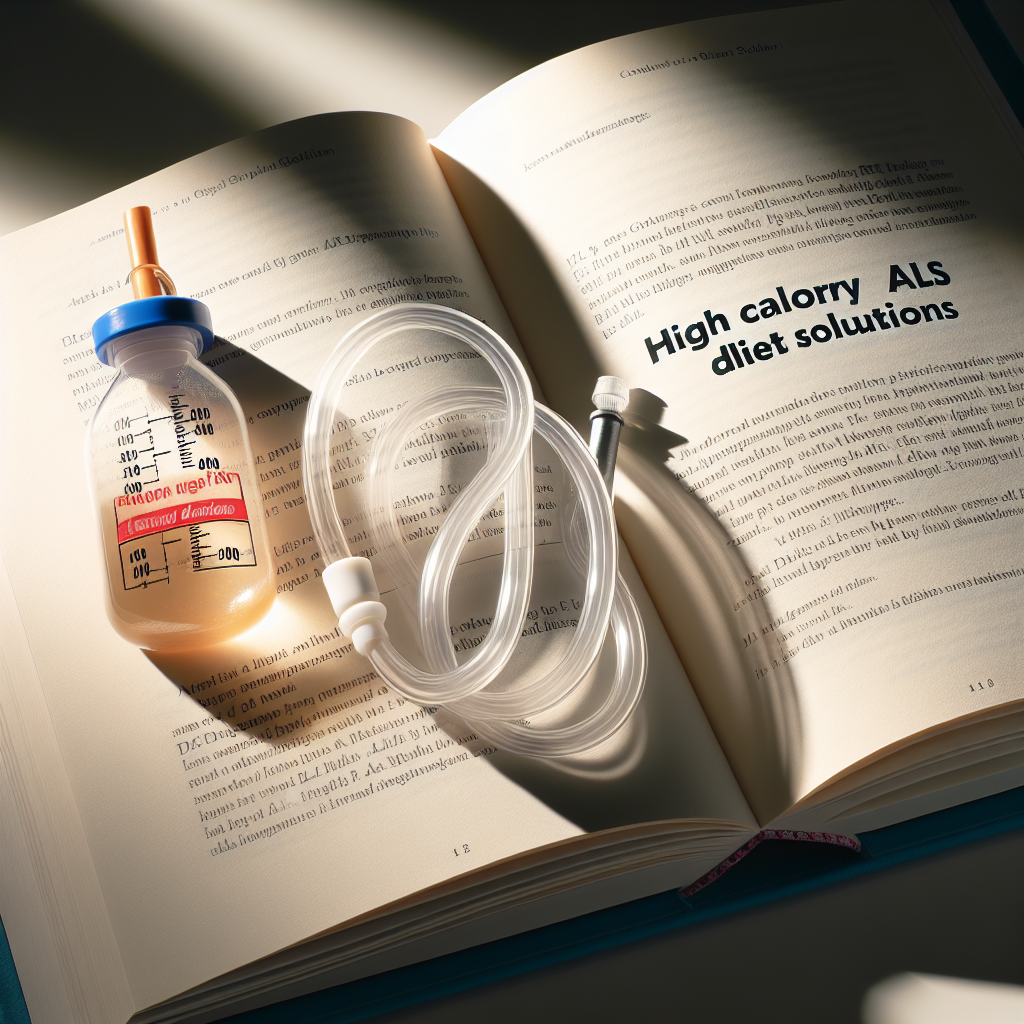
A gastronomy tube, commonly referred to as a G-tube, is a type of feeding tube surgically inserted through the abdomen into the stomach. This medical device allows healthcare professionals or caregivers to provide nutrients directly into the stomach of patients who have trouble eating by mouth.
Why Choose a PEG Tube for ALS Patients?
Patients living with ALS often experience dysphagia (difficulty swallowing), leading to a significant reduction in their food and liquid intake. This may potentially result in weight loss, malnutrition, dehydration, and a decline in the overall quality of life.
The PEG tube effectively addresses these issues by providing a direct pathway to the stomach for nutritional support. The tube allows for direct administration of a high calorie ALS diet, which can be specially formulated to meet the individual’s nutritional needs.
How Does a PEG Tube Facilitate an Effortless High Calorie ALS Diet?
The process of feeding patients through a PEG tube is straightforward. Specially engineered, high calorie dietary formulas are typically used. These meal replacement formulas contain a balanced blend of proteins, carbohydrates, fats, vitamins, and minerals, usually enriched with high-calorie supplements to meet the nutritional requirements of ALS patients effectively.
A pre-measured quantity of the nutritional formula is poured into a syringe attached to the PEG tube and administered directly into the stomach. The frequency and volume of feedings depend on healthcare providers’ recommendations, tailored according to the patient’s individual needs.
Benefits of a High Calorie ALS Diet via a PEG Tube
Opting for a high calorie ALS diet via a PEG tube offers several benefits:
– Ensures Adequate Nutrition: The direct-delivery approach guarantees the patient gets well-balanced nutrition, ultimately contributing to better health and well-being.
– Hassle-Free Administration: This method bypasses the process of chewing and swallowing, making feeding easier for those with swallowing difficulties.
– Better Weight Management: Ensuring a steady stream of calories helps manage the patient’s weight and reduce the risk of malnutrition.
– Reduces Risk of Aspiration: As food is directly delivered to the stomach, it eliminates the risk of food going into the lungs, which can lead to serious complications.
The PEG tube ALS method, when combined with a loving, compassionate care plan, can greatly enhance the quality of life for ALS patients. It’s crucial to remember, however, that the decision to undertake PEG feeding must be discussed thoroughly with healthcare professionals based on the specific needs of the patient.
References
– “Feeding Tubes: What You Need to Know.”
– “Nutritional Management in ALS: A Patient Guide.”
Finally, if you or a loved one is grappling with ALS or facing dilemmas about the use of a PEG tube or high calorie ALS diet, get in touch with us right away for more information and support. Please reach out about your ALS and Real Water case through our contact page, or call 702-385-6000 for immediate assistance. Explore more related content on our blog page, where we continuously share useful information that can help you manage ALS symptoms and maintain a high quality of life.