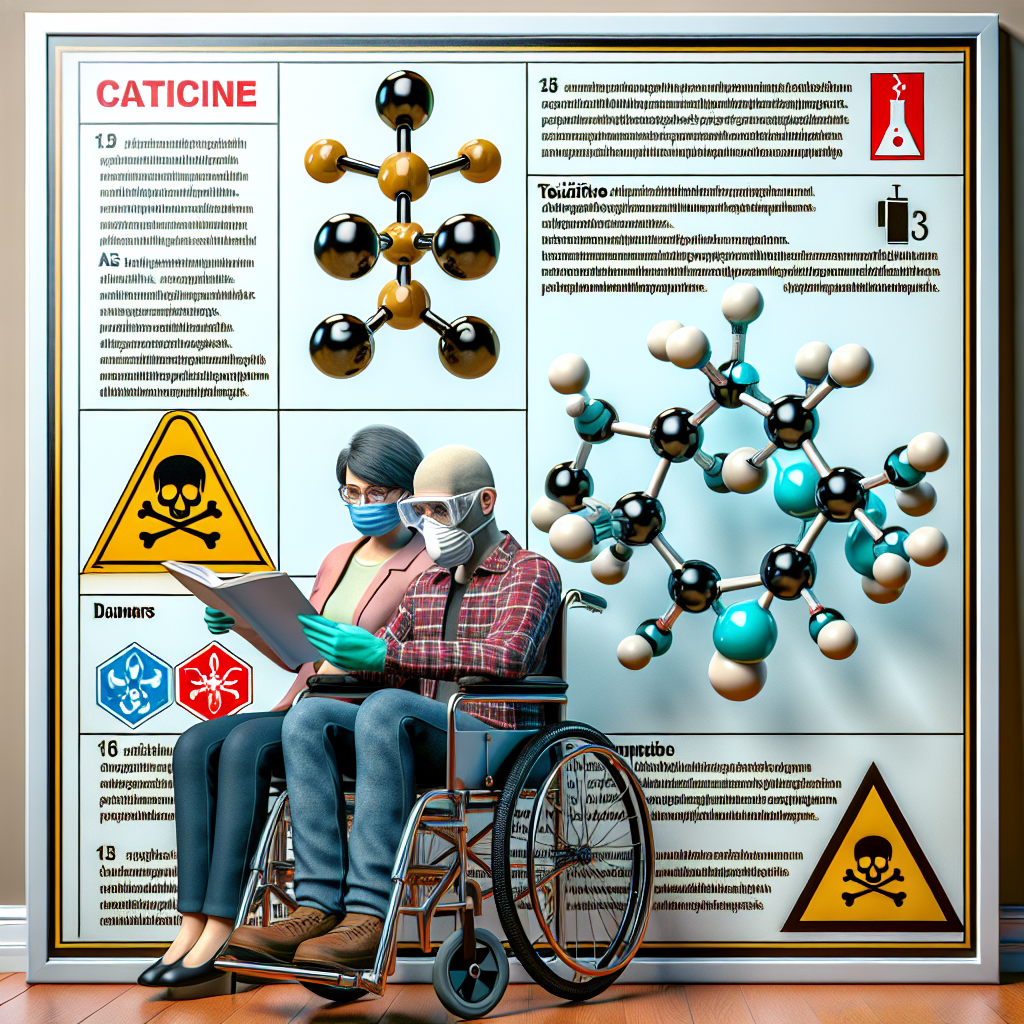
Hydrazine dangers are a critical matter of concern not just for the scientific world but also for the health community, particularly those dealing with neurodegenerative diseases like Amyotrophic Lateral Sclerosis (ALS). ALS is a devastating illness that progressively impairs motor neurons, leading to muscle weakness and difficulty in speaking, swallowing, and breathing.
Understanding Hydrazine Dangers
Hydrazine is a colorless liquid with an ammonia-like odor, primarily used as a foaming agent, in the production of polymer foams, and as a reducing agent in photocopying. It also finds use in the pharmaceutical industry and in the manufacturing of rocket propellants. Despite its versatile applications, it is essential to understand the potential health consequences it may invite.
On exposure, it may lead to effects as minor as skin irritation or eye burns. However, the toxicity risk escalates with ingestion or inhalation, causing serious internal injuries, including liver and kidney damages. Chronic exposure may even lead to lung, nasal cavity, or liver cancer.
Apart from the immediate harmful effects, a major concern regarding hydrazine exposure is its potential role in exacerbating the symptoms in ALS patients.
Hydrazine Exposure & ALS – An Unfortunate Combination
While the root cause of ALS remains largely unknown, the role of environmental toxins – particularly hydrazine – poses significant concern. The potential correlation between hydrazine exposure and the progression of ALS stems from hydrazine’s ability to impair mitochondrial function – vital for synthesizing energy in the cells.
Researchers hypothesize that since motor neurons are incredibly energy-demanding, the damage to mitochondria could contribute significantly to their premature death, thereby accelerating ALS progression. Thus, understanding hydrazine dangers becomes even more critical for ALS patients and their caregivers.
Preventing Hydrazine Exposure
Preventing hydrazine exposure is the safest approach to mitigate its harmful impacts. Particularly for ALS patients & caregivers, it becomes imperative to minimize the risk. Here are some handy tips:
1. Be aware of the common sources and avoid using products with hydrazine.
2. Ensure proper ventilation to limit inhalation.
3. Use personal protective equipment (PPE) when handling hydrazine-based products.
4. Regularly dispose of waste products containing hydrazine.
5. Follow all safety guidelines provided by health agencies and manufacturers while dealing with hydrazine-based material.
Understanding & Managing Hydrazine Toxicity
In instances where exposure to hydrazine has already occurred, managing the toxicity becomes crucial. Firstly, immediate medical attention should be sought in case of any physical discomfort after contact. Moreover, long-term monitoring should be maintained in case of chronic exposure.
Diagnostic tests and clinical examinations are the primary methods for assessing hydrazine exposure. The treatment typically includes immediate decontamination, damage control, and toxin removal therapies. Nonetheless, prevention remains the best line of defense against hydrazine toxicity.
Hydrazine exposure is a significant concern for everyone, and the added vulnerability of ALS patients makes the topic all the more crucial. Discussing hydrazine dangers and understanding its implications is a crucial step for both patients and caregivers in reducing potential hazards.
If you or someone you know is dealing with an ALS and Real Water case, it is imperative to get in touch with professionals who can help navigate your way through this complex situation. To reach out, follow the link to the contact page located in “/contact.”
For more articles on topics such as ALS, hydrazine, and other health-related matters, visit our blog page “/blog”. And for any immediate queries or assistance, please call using the call link to “702-385-6000”, we are here to help you.