Hydrazine contamination in bottled water has recently come under the spotlight, owing to a slew of alarming reports suggesting severe health issues tied to certain bottled water brands. This emerging scandal has left consumers questioning the safety of their drinking water and demanding stricter regulations for bottled water manufacturers. This article aims to unmask the controversy, shedding light on hydrazine contamination, its implications, and measures that consumers can take to secure their water consumption.
What is Hydrazine?
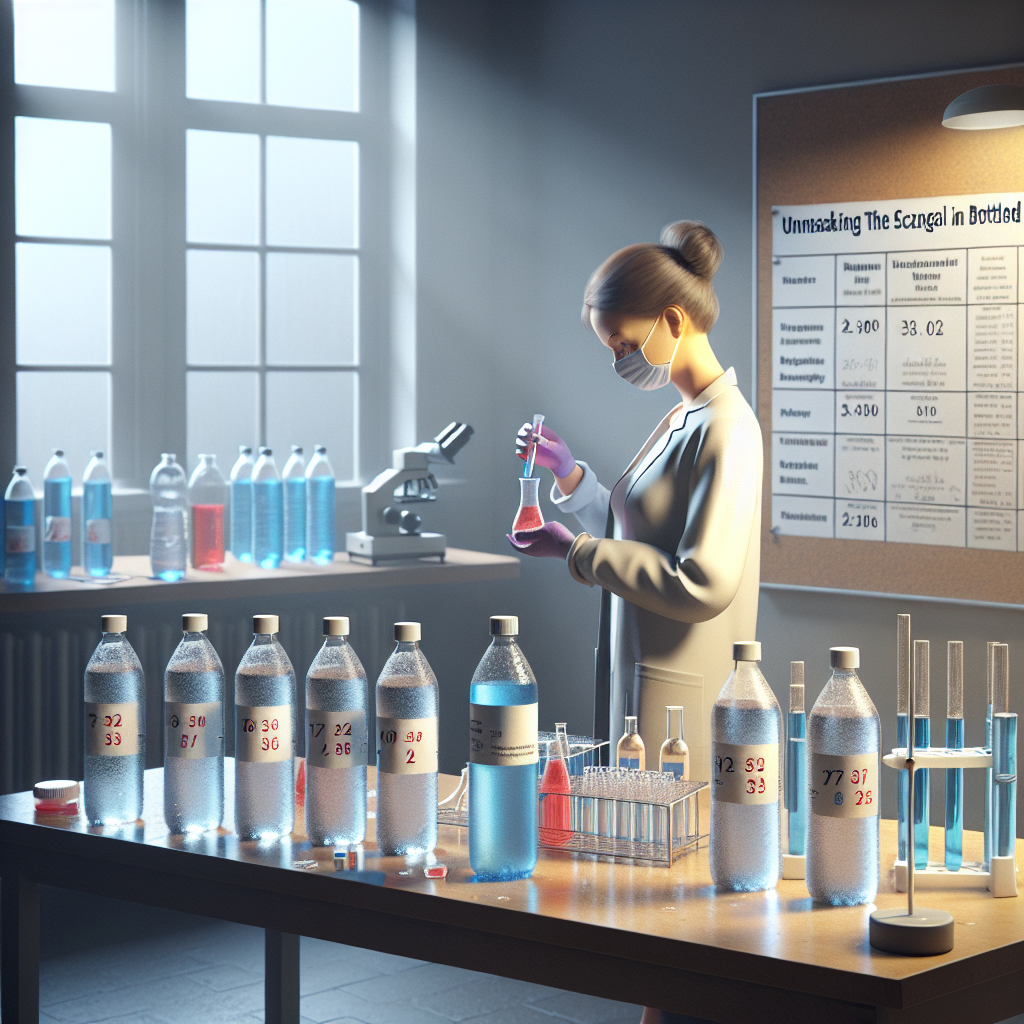
Hydrazine, a colorless liquid or gas, is used primarily as a foaming agent in plastics and rubber manufacture, a reducing agent in metals polishing, and a precursor to pharmaceutical and pesticide products. Although it naturally occurs in plants, bacteria, and fungi, hydrazine is synthetic when used in manufacturing. Its potential to cause adverse health effects, such as lung and nasal cavity damage, makes its presence in drinking water controversial1.
Tracing Hydrazine Contamination in Bottled Water
The trouble with hydrazine in bottled water first seeped into public consciousness due to a host of health complaints linked to a bottled water brand known as “Real Water.” The US Food and Drug Administration (FDA) started an investigation into the matter after several consumers reported serious health issues, including acute non-viral hepatitis, following the consumption of Real Water’s alkaline water2.
Experts have suggested hydrazine contamination as a possible cause behind these health issues. An independent laboratory test found hydrazine levels in Real Water to be twice the stipulated limit. As a result, Real Water voluntarily recalled their products nationwide, advising consumers not to drink, cook, or prepare food with their water3.
The Health Implications of Hydrazine Exposure
Prolonged exposure to hydrazine poses significant health risks. Nausea, vomiting, and seizures are among the immediate symptoms of hydrazine poisoning. Long-term exposure could lead to—although not limited to—liver disease, lung disease, and even an increased risk of cancer4.
How Can Consumers Protect Themselves?
While the bottled water industry remains largely regulated, incidents like these highlight the need for consumers to be vigilant about what they consume. Here are a few tips:
1. Be aware of recalls: Bottled water manufacturers usually issue recalls when their product has been identified as a risk. Always stay informed about these recalls.
2. Check water source and treatment: Bottled water labels often indicate the source and treatment process of the water. Consumers are advised to choose brands with transparent labels.
3. Test home tap water: If a consumer opts for tap water, it can be tested for hydrazine and other contaminants. The Environmental Protection Agency (EPA) keeps a list of certified labs for water testing5.
Hydrazine contamination serves as a grave reminder of the potential unknown dangers that can lurk in seemingly safe bottled water. As consumers, it is essential to stay informed and proactive in ensuring the water we drink is safe and contaminant-free.
For those who believe they may have been affected by the ALS and Real Water cases, we encourage you to reach out for more information and support through our contact page. Stay updated on related content by exploring more articles on our blog page.
If you need immediate assistance, please do not hesitate to call us at 702-385-6000. Our team is ready to assist you.
References:
1. Hydrazine and Its Derivatives: Preparation, Properties, Applications | Wiley
2. FDA Safety Alert – Serious Illnesses Reported | FDA
3. Recall Alert – Real Water Brand | FDA
4. Hydrazine – ToxFAQs | ATSDR
5. EPA Certified Labs | EPA