CRISPR ALS breakthroughs are leading the way in transforming our understanding of the disease and propelling us steadily towards discovering future ALS cures. The revolutionary technique with its ability to edit genetic material is an exciting tool, with the potential to redefine the course of numerous illnesses, particularly ALS – Amyotrophic Lateral Sclerosis. In this article, we will delve into this cutting-edge technology, how it has been applied in the field of ALS, and its potential role in future cures.
CRISPR ALS: revolutionizing gene editing
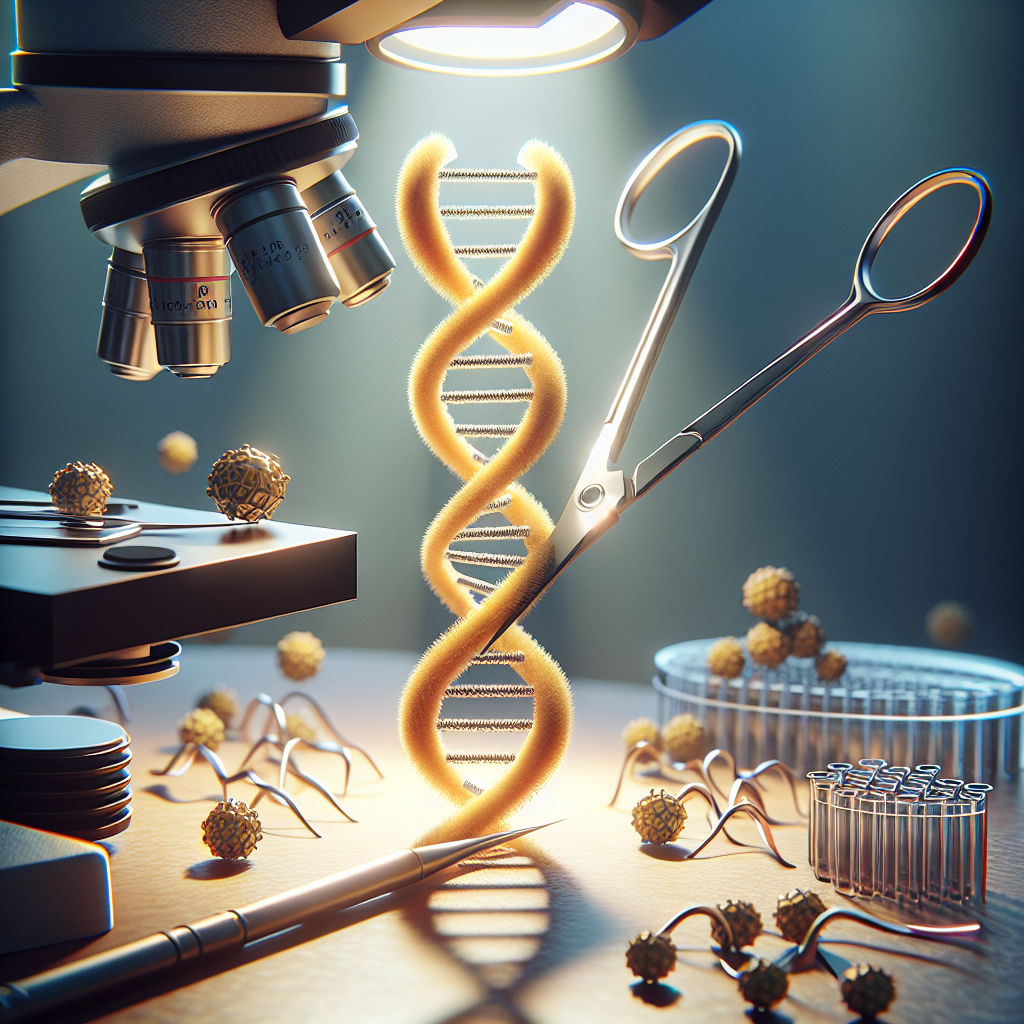
CRISPR, which stands for Clustered Regularly Interspaced Short Palindromic Repeats, represents a gene-editing tool-carving its name in various medical fields. Aiding researchers and medical professionals to more deeply understand the genetics of diseases as complex and devastating as ALS. According to the National Institutes of Health (NIH), CRISPR relies on a natural defense system derived from bacteria, enabling scientists to alter DNA sequences with stunning precision Source: National Institutes of Health.
In the context of ALS, genetic mutations can often be at the heart of disease progression. Therefore, having access to a tool like CRISPR enables the basic genetic fabric of the disease to be reshaped, thus paving the way for potential remedies.
How CRISPR can combat ALS
CRISPR technology has illuminated new hope in the ALS realm. One groundbreaking study published in the Journal of Neuroscience Research highlighted the potential for CRISPR to be used in repairing defective SOD1 genes, which are associated with certain types of ALS Source: Journal of Neuroscience Research. By restoring these genes to their normal state, it is believed future ALS cures will emerge.
Antisense Oligonucleotides and their role
Along with CRISPR ALS research, Antisense Oligonucleotides (ASOs) are making waves in gene-based therapies for ALS. ASOs are short strands of DNA, tailored to bind to specific messenger RNA molecules, which are crucial in the production of proteins. The binding process disrupts or modifies protein production, offering therapeutic potential.
A novel study in the Annals of Neurology testified to how ASOs could halt or even reverse the progression of ALS by targeting the SOD1 gene – a common culprit in familial ALS cases. This powerful demonstration of ASOs places them at the forefront of genetic approaches to ALS treatment Source: Annals of Neurology.
The future of ALS cures
The future of ALS cures lays promising with innovative tools like CRISPR and techniques such as ASOs under rigorous examination. However, it’s essential to remember scientific progress requires time, resources, and patience. While we are still some way off from an outright cure for ALS, the developments in CRISPR ALS research and the use of Antisense Oligonucleotides signal a promising pathway leading to groundbreaking therapies that could transform lives.
As we move forward in this intriguing era of scientific innovation, we must embrace these revolutionary tools while continuing our unyielding search for the keys to decoding and defeating ALS.
There is a dawn at the end of this tunnel, and every day, we inch a little closer towards it.
For those seeking to learn more or contribute to the conversation on ALS, or if you have concerns about your health and need immediate assistance, reach out about your ALS and Real Water case through our contact page. You can explore more related content on our blog page. For immediate assistance, you can call 702-385-6000.