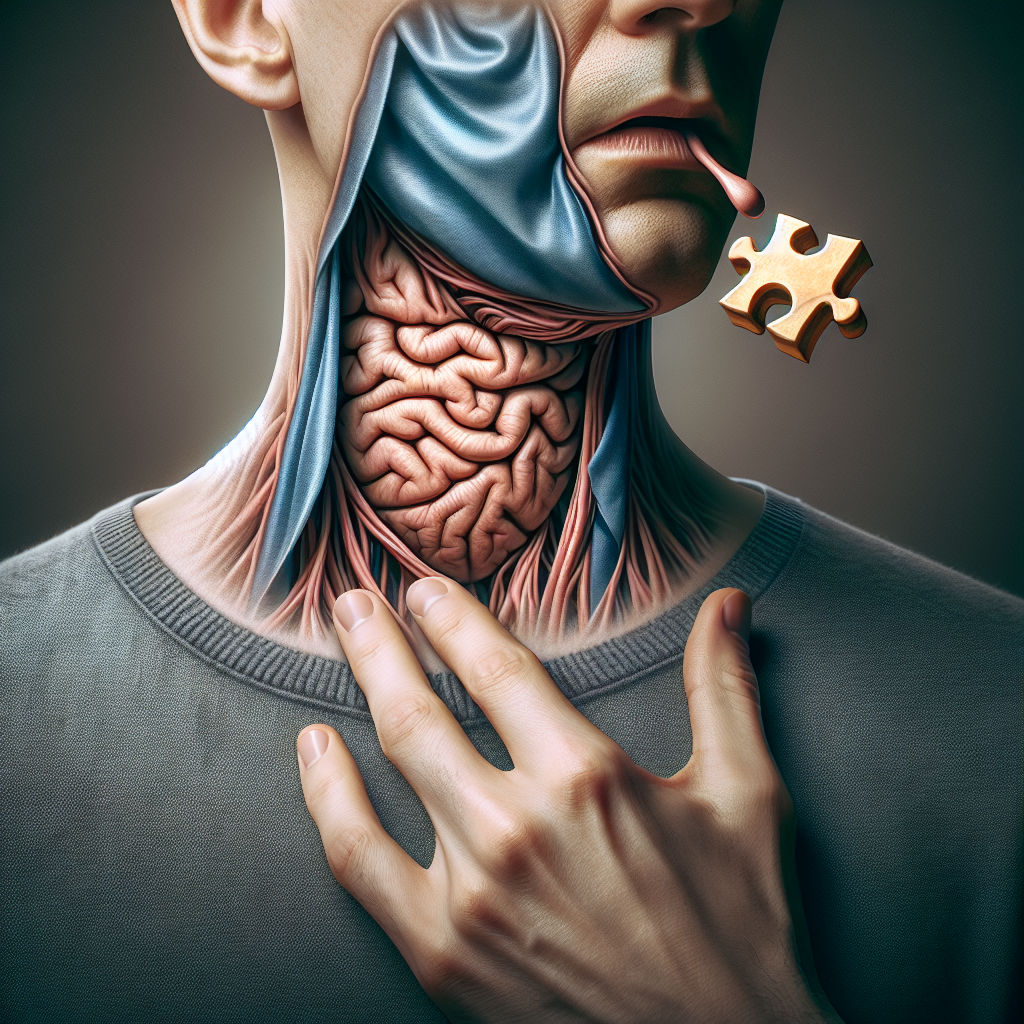
Bulbar ALS, known as bulbar amyotrophic lateral sclerosis, is a form of ALS affecting the brainstem. The disease is named after both the part of the brain it generally impacts initially (the bulb-shaped brainstem), and the renowned scientist who first described it. This variant of ALS primarily impacts the muscles responsible for speech, chewing, and swallowing. Indeed, speech swallowing problems in ALS are typically the initial signs for those diagnosed with Bulbar ALS.
##Understanding Bulbar ALS and Bulbar Palsy
Bulbar ALS, or bulbar onset ALS, is a particularly challenging form of ALS as it directly influences the muscles that control some of our most instinctive functions such as talking, eating, and breathing. This clinical subtype affects around 25% of all individuals with ALS 1.
On the other hand, bulbar palsy refers to a subtype of motor neuron disease in which only the bulbar muscles are affected. However, in severe cases, this can escalate to classic ALS. Essentially, both terms represent segments of a disease spectrum with similar symptoms.
##Speech and Swallowing Problems in Bulbar ALS
One of the significant challenges individuals with bulbar ALS face is dealing with speech and swallowing problems. As bulbar ALS progresses, these symptoms can become more severe and disruptive.
Speech difficulties
In most cases, the first observable symptoms of bulbar ALS are difficulties with speech, also known as dysarthria. This difficulty might present as slurred speech or changes in voice quality, such as unusual hoarseness or nasal pronunciation 2.
Swallowing challenges
Swallowing issues, known as dysphagia, usually manifest later though they can also be an early symptom. Dysphagia can manifest in various ways in individuals with bulbar ALS. Initially, it may be a subtle difficulty in managing certain foods. As the disease progresses, swallowing can become increasingly challenging and could pose a risk of food or liquid being aspirated into the lungs 3.
Consistent Therapy as a Coping Mechanism
There is currently no definitive cure for bulbar ALS. However, various medical and therapeutic strategies can help manage some of the related symptoms:
– ### Speech Therapy
Speech therapists can assist individuals dealing with speech difficulties related to bulbar ALS. The emphasis is on maintaining oral communication as long as possible and shifting to alternative communication methods when necessary 4.
– ### Swallowing Therapy
Therapists can provide techniques and strategies to enhance swallowing safety, including modified food textures and specific swallowing techniques 5.
– ### Breathing Therapy
As the disease progresses, respiratory therapy could be required to maintain normal oxygen levels in the blood.
Living with bulbar ALS is a significant battle. However, understanding the disease could equip those affected and their loved ones to cope better with the challenges. If you or a loved one has been recently diagnosed with Bulbar ALS and you are noticing speech swallowing problems in relation to ALS, it is crucial to proactive immediately and harness your resources and faculties towards managing the day-to-day battle associated with the disease.
Should you need further assistance or have any inquiries about ALS, please visit the contact page or call on 702-385-6000 for immediate assistance. Explore more related content on our blog page for added insight.
###References:
– 1. “Bulbar Onset ALS”
– 2. “Understanding Dysarthria”
– 3. “Dysphagia in Motor Neuron Diseases”
– 4. “Role of Speech-Language Pathologists in ALS”
– 5. “Effective Dysphagia Management in ALS”