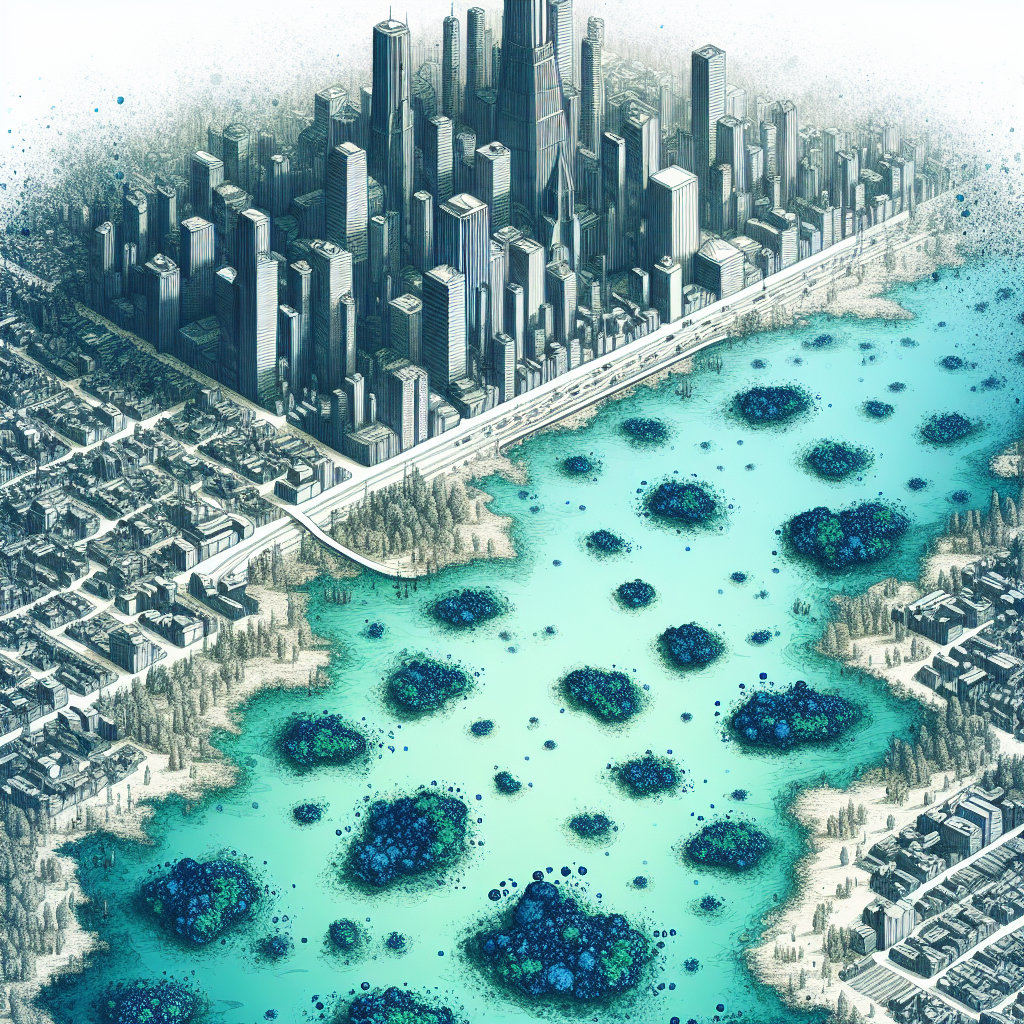
Blue-green algae, officially known as cyanobacteria, present an insidious health threat that few people realise. These tiny organisms, native to fresh and marine waters worldwide, can produce harmful toxins that pose a serious danger to those who come into contact with them. Strikingly, recent research has started to unveil a possible link between blue-green algae and a debilitating disease – Amyotrophic lateral sclerosis (ALS). This relationship not only exposes an unseen ALS danger but also highlights the vital need for better water quality management in our urban areas.
Toxic Cyanobacteria: Understanding the Threat
Blue-green algae populations flourish in warm, nutrient-rich waters usually during late summer and early fall. When these toxic blooms occur near public shores, local health departments are quick to close beaches and alert the public to the risk. Contact with, or ingestion of, water containing these harmful toxins can lead to sickness in people and animals. Symptoms can range from nausea, vomiting, and diarrhoea to more serious health problems like liver damage.
However, the danger of blue-green algae doesn’t end at immediate physical ailments. Few realize that chronic exposure to these toxins may have an even more malignant, quietly percolating effect on our health.
Blue-Green Algae and ALS: Unraveling the Connection
Amyotrophic lateral sclerosis (ALS), also known as Lou Gehrig’s disease, is a progressive neurodegenerative disease that affects nerve cells in the brain and spinal cord. While the exact cause is unknown, both genetic and environmental factors are thought to play a role.
The link between ALS and blue-green algae has come under scrutiny after researchers noticed that in areas where harmful algal blooms frequently occur, ALS cases are considerably higher than average. Some researchers speculate that BMAA (β-N-methylamino-L-alanine), a toxin produced by blue-green algae, is the culprit. BMAA can build up in the body over time, and prolonged exposure could contribute to the onset of ALS.
Dealing with the Unseen ALS Danger in Urban Waters
The potential link between blue-green algae and ALS presents a critical premise for better water management strategies, particularly in urban areas. City water sources are vulnerable to algal blooms due to nutrient runoff from over-fertilized lawns, leaky septic systems, and even pet waste. With urban waters increasingly used for recreational activities like fishing, boating, and swimming, human exposure to toxic blue-green algae is high.
It’s crucial that we take collective measures to address this pressing issue. We need widespread public awareness about the potential health impacts of algal blooms, better monitoring of urban waters, and policies to reduce nutrient pollution.
Even a simple step like regularly cleaning up after your pet can make a difference, as pet waste can contribute to the nutrient runoff that feeds harmful blooms. Meanwhile, cities should invest in green infrastructure — like rain gardens and green roofs — to help reduce stormwater runoff and improve water quality.
For those living near aquatic environments gripped by recurrent cyanobacterial blooms, it might be wise to avoid contact with the water, especially during the warmer months when blooms are most likely to occur.
Conclusion: A Call to Action
Understanding the potential dangers linked to blue-green algae has never been more crucial. Individuals, communities, and policymakers need to work together to minimize exposure — and thereby reduce the possibly associated risk of ALS — by prioritizing the health of urban waters.
This threat may be unseen; our response, however, should be unmistakable. It’s time to protect urban waters from the risk of blue-green algae, not purely for the satisfaction of enjoying clean, safe recreational water sources, but for potential long-term health implications too.
If you or a loved one has concerns or questions about a potential ALS and Real Water case related to blue-green algae exposure, don’t hesitate to reach out. Simply navigate to the contact page via “/contact”, or call directly using the following number: 702-385-6000. We’re here to help and ready to listen.
And remember, knowledge is power. Stay informed about critical health and environmental issues by regularly checking our blog page found at “/blog”. It’s your first step towards becoming a proactive player in safeguarding our shared environment for the generations to come.