Blue-green algae, scientifically known as cyanobacteria, are primitive organisms that have inhabited the earth for over 3.5 billion years. These microscopic life forms thrive in a wide range of environments, including urban water sources like lakes, rivers, and even tap water. Recently, a growing body of research has begun to link the toxins produced by blue-green algae with elevated risks of developing Amyotrophic Lateral Sclerosis (ALS), a devastating neurodegenerative disease. The ALS danger connected to blue-green algae poses an imminent health crisis, threatening urban water consumers globally.
Understanding Blue-Green Algae
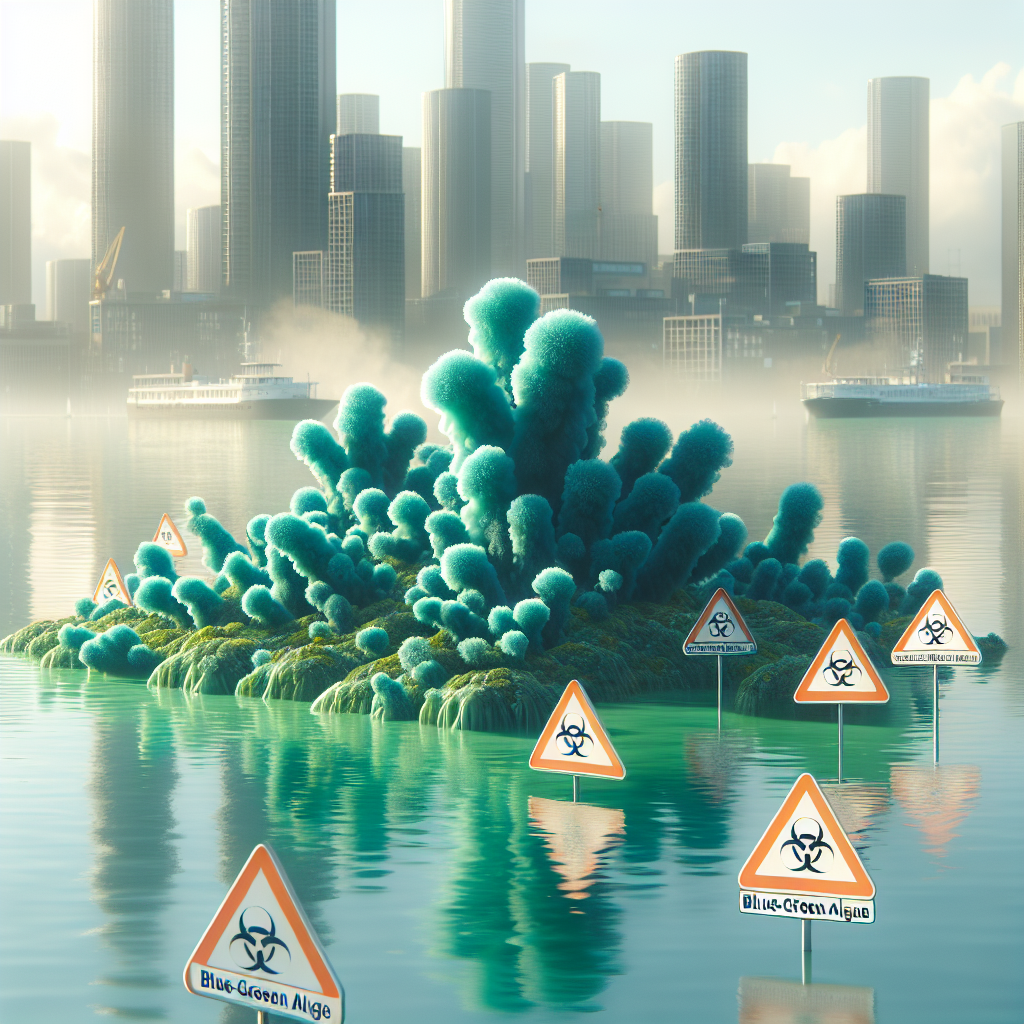
Blue-green algae are not truly algae but bacteria that perform photosynthesis, much like plants. They are ubiquitous, inhabiting a wide range of environments from oceans to freshwater bodies. In urban settings, they are often found in water treatment plants, pipes, and tap water.
Blue-green algae produce various toxins, including BMAA (beta-N-methylamino-L-alanine). Researchers believe BMAA could be a potential trigger for ALS. A comprehensive study carried out by Dartmouth College found BMAA in higher concentrations in the brains of those who died from the disease, suggesting a correlation (1).
The ALS Danger Posed by Blue-Green Algae
ALS is a progressive neurodegenerative disease that affects nerve cells in the brain and spinal cord. The illness leads to muscle weakness, loss of mobility, and eventually, the inability to breathe independently. There is no cure for ALS, making prevention and a better understanding of the disease’s triggers critical.
The potential link between blue-green algae and ALS caught the attention of the scientific community after consistent reports of clusters of the disease near bodies of water with significant blue-green algae blooms.
In Guam, a high incidence of ALS was reported among the Chamorro people. The study found these people had an unusually high intake of foods contaminated with BMAA. As a result, there was a 50-100 times more risk of developing ALS compared to other areas (2).
Protecting Urban Water Users
This increasing evidence has intensified calls for stringent water testing and treatment methodologies in urban water systems worldwide. Water treatment plants must monitor for blue-green algae and BMAA via comprehensive water testing.
Reducing nutrient pollution is another key prevention strategy. Nutrients like nitrogen and phosphorus often enter water bodies through runoff from agricultural or urban areas, fueling harmful algal blooms.
Finally, educating the public about the potential ALS danger from blue-green algae in tap water, especially for those in regions experiencing regular toxic algal blooms, is vital. People should be encouraged to filter their tap water as an extra safeguard.
While more research is needed in this area, the emerging link between blue-green algae and ALS reminds us of the importance of clean, safe water and the role of good governance in ensuring public health.
Conclusion
It’s a sobering thought that a seemingly harmless element of our natural world, blue-green algae, may accelerate a terrible disease like ALS. It highlights the crucial need for comprehensive water treatment methods, research, and public awareness in order to mitigate the ALS danger hidden in our urban water bodies.
References
1. Dartmouth College – Blue-green Algae Linked to ALS
2. Guam – A High Incidence of ALS
Feeling overwhelmed or have concerns about ALS and your exposure to real water? Reach out to inquire more. Want to ensure you stay informed? Explore our blog for a wealth of invaluable insights. For immediate assistance, call us at 702-385-6000. Knowledge is the first step to prevention. Stay safe. Stay educated.