ALS technology aids are ushering in a new era of increased mobility and freedom for individuals living with Amyotrophic Lateral Sclerosis (ALS), a neurodegenerative disease affecting motor neurons that control voluntary muscles. This pioneering technology not only promises greater independence for athletes affected by ALS but also enhances their quality of life, enabling them to pursue their passions despite their condition.
ALS Technology Aids and Athlete Independence: A Winning Combination
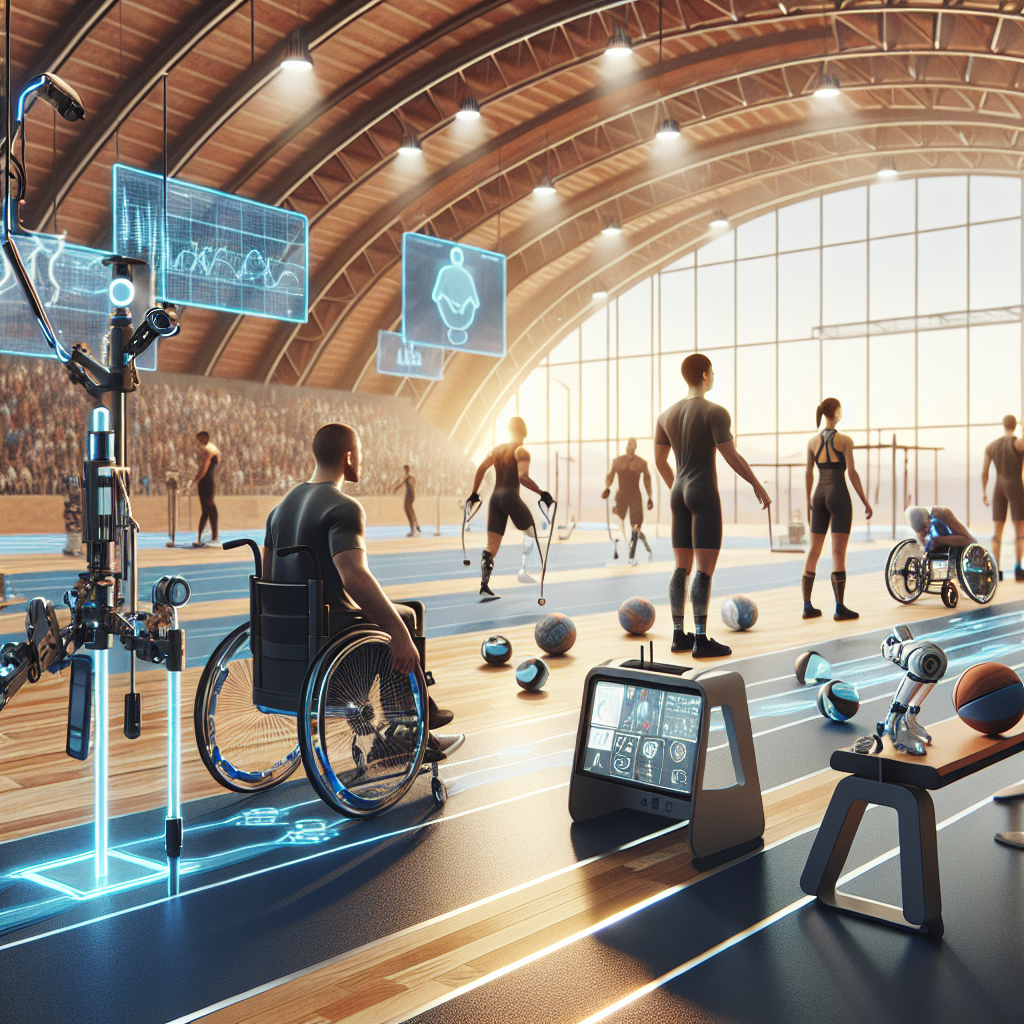
Achieving independence is a key aspiration for individuals living with ALS. While the disease presents significant physical challenges, particularly for athletes accustomed to rigorous physical activity, modern ALS technology aids can provide solutions. These devices offer enhanced communication, mobility, and independent living options. Here’s how they work to increase an athlete’s independence.
Enhanced Communication
ALS often disrupts one’s ability to speak clearly or at all. Assistive communication devices, such as eye-gaze controlled speech-generating devices (SGDs), can be life-changing. These cutting-edge systems enable users to generate speech by focusing their gaze on specific parts of a screen.
Improved Mobility
Motorized wheelchairs and adaptive vehicles equip ALS-affected athletes with the necessary mobility to move around independently. Technological advancements in the design of these aids appeal to active individuals and allow them to maintain their physical lifestyle as much as their condition allows.
Independent Living
Innovative ALS technology aids also promote independent living. Smart home technology can be particularly beneficial, allowing individuals to control their environment with simple voice commands or movements. This broad category includes a wide range of devices, from adaptive door openers to environmental control units.
The Future of ALS Technology Aids
Continued advancements in technology promise a bright future for ALS patients, particularly athletes. Emerging innovative solutions such as exoskeleton technology could allow for even greater mobility and independence for athletes suffering from ALS.
Moreover, the rise of artificial intelligence (AI) in healthcare could revolutionize ALS care by making predictive analyses and resultant interventions possible, ushering in an era of personalized treatment plans that give ALS patients optimal levels of independence and quality of life.
Conclusion
ALS inevitably presents physical challenges, but the right ALS technology aids offer renewed hope for athletes living with the disease. Through improved communication, mobility, and independent living tools, these aids can preserve individuals’ independence, ensuring they live fulfilling lives despite their diagnosis.
Now is the perfect time to explore how these revolutionary tools can help you or your loved ones. Reach out through our contact page to discuss your ALS and Real Water case or call 702-385-6000 for immediate assistance. You can also explore more related content on our blog page to deepen your understanding of the subject.
References:
1. ALS Association: Assistive Technology
2. Mayo Clinic: Amyotrophic Lateral Sclerosis (ALS)
3. Eye-gaze controlled speech-generating devices
4. Artificial Intelligence in healthcare
5. Exoskeletons and Independence