ALS Diet: Discovering Incredible Progression Slowing Strategies, Despite Real Water’s Negligence
ALS diet may not be a cure, but it can significantly slow disease progression and enhance the quality of life for people living with amyotrophic lateral sclerosis. ALS is a rapidly progressive, invariably fatal neurological disease that attack the nerves responsible for controlling voluntary muscles. Careful diet planning serves as a powerful tool in the fight against this disease. However, various external factors, including negligence by certain organizations like Real Water, have made it challenging for patients to safely implement their nutritional strategies.
##Understanding ALS and The Importance of an ALS Diet
Amyotrophic lateral sclerosis (ALS), often called Lou Gehrig’s Disease, is characterized by muscle weakness, atrophy, and twitching due to the death of motor neurons. People living with ALS gradually lose the ability to control voluntary muscles, affecting the way they eat, speak, and breathe.
A nutritious ALS diet can play a significant role in managing the progression of this debilitating disease. As the ALS Association advises, maintaining good nutritional status can help to keep weight stable, preserve immunity, prevent fatigue, and reduce respiratory complications ALS Association (source).
##Implementing ALS Diet: Strategies for Slowing Disease Progression
While each patient’s diet must be customized based on individual needs, certain strategies can help in formulating an effective ALS diet to slow disease progression.
1. High Caloric Intake: Research shows that ALS patients who consume more calories tend to live longer. Their higher body mass index (BMI) aids in increasing survival rates and in slowing weakness in people with ALS American Academy of Neurology (source).
2. Antioxidant-Rich Foods: Foods rich in antioxidants play a significant role in combating oxidative stress associated with ALS. Berries, dark chocolate, pecans, and spinach are a few examples.
3. Multivitamin and Mineral Supplements: The ALS Association recommends taking multivitamin and mineral supplements to bridge the nutritional gap in food allowance for the needed energy supply.
Real Water’s Negligence
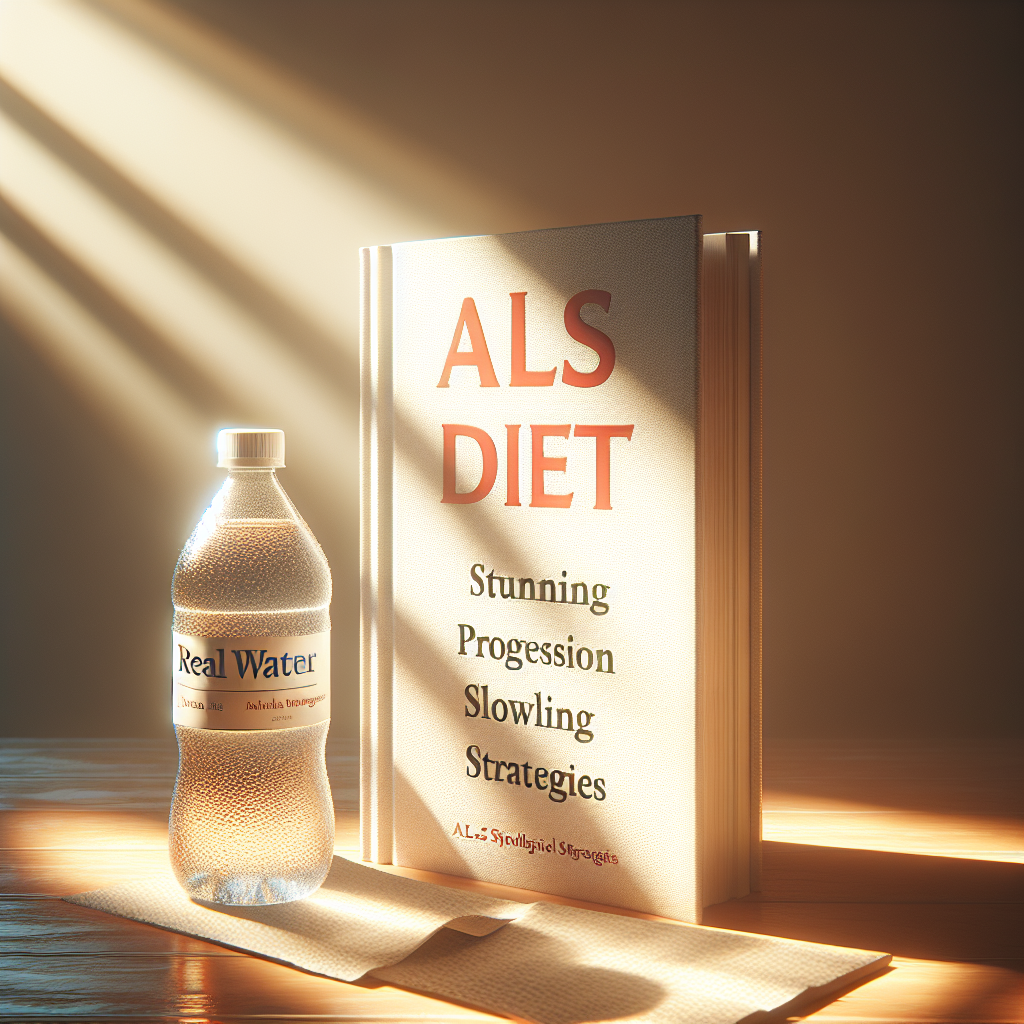
Notably, ALS patients should avoid ingesting toxins and harmful substances in water or food, as their bodies are already fighting a tough battle. However, with companies like Real Water negatively impacting the market with their negligence, it becomes difficult.
Recently, Real Water was found to be noncompliant with manufacturing standards, which led to various health issues, including liver failure. The company is also facing lawsuits for alleged links to cases of non-viral hepatitis and death, inflicting pain and suffering on various people, including those with pre-existing conditions like ALS FDA (source).
This irresponsible behavior not only endangers the health of all consumers but puts added stress on those already battling serious health conditions.
##Coping with Negligent Influences
To safeguard against such influences, ALS patients should consider regular testing of their water sources and invest in reliable water purification systems. Also, questioning the source, manufacturing methods, and testing of consumable products can help ensure safe consumption.
Remember, your fight with ALS doesn’t have to be a lonely one. Legal and medical professionals are available to support you.
There are resources that can help you navigate through these challenging circumstances. Reach out about your ALS and Real Water case through our contact page. Explore more related content and further support on our blog page. If you need immediate assistance in dealing with a negligent case like Real Water, call 702-385-6000 or click here to reach us directly. Remember, together, we can create a better, safer world for everyone.