ALS progression stages are an integral part of understanding this debilitating neurological disease. Amyotrophic lateral sclerosis, popularly known as ALS or Lou Gehrig’s disease, involves the gradual degeneration and death of motor neurons. As these neurons die, patients lose muscle control and experience varying stages of ALS progression. It’s vital, therefore, to learn about the effective ways to manage this condition, primarily focusing on utilizing the best breathing support options.
Understanding the ALS Progression Stages
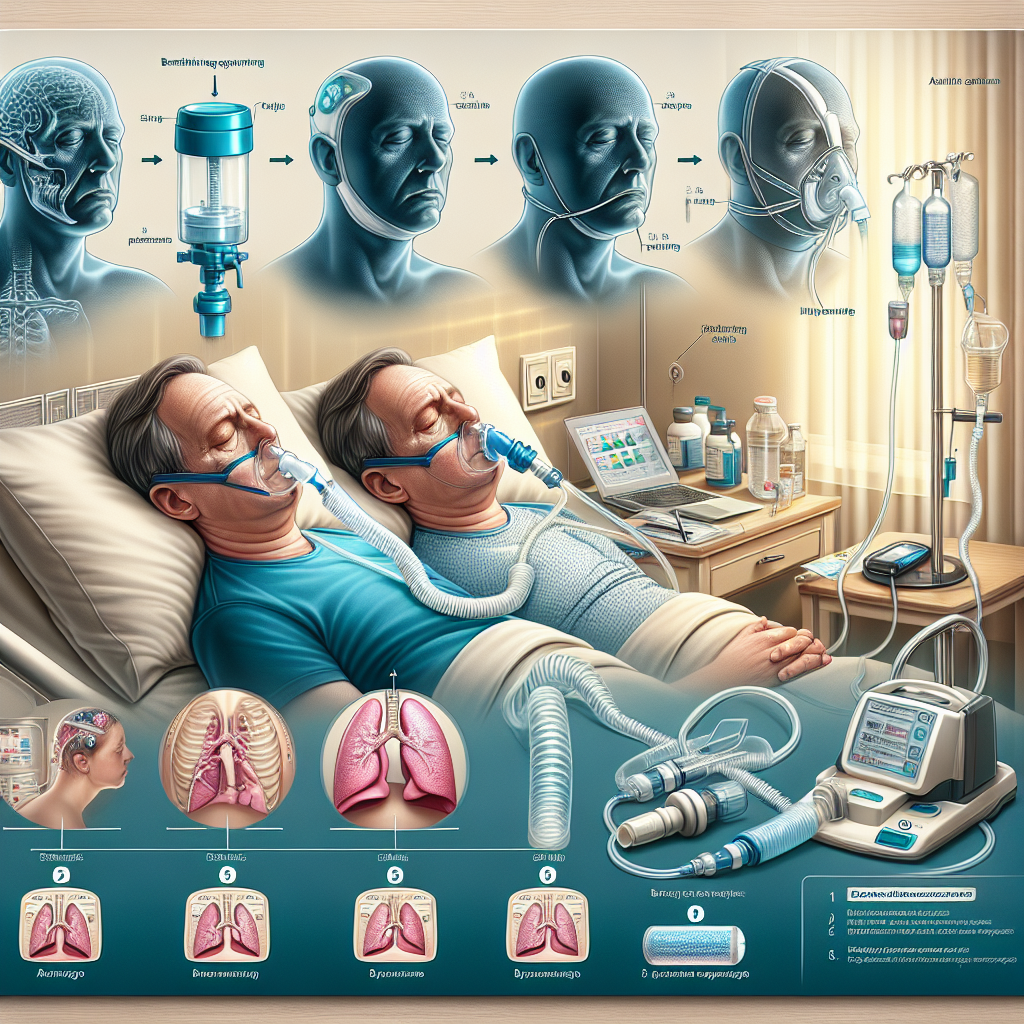
The journey of a patient suffering from ALS can be divided into various stages: Early Stage, Middle Stage, and Late Stage.
The Early Stage involves subtle symptoms including difficulty in precise movements such as buttoning a shirt or turning a key. A person may also experience muscle twitching, cramps, and stiffness.
The Middle Stage identifies increased muscle weakness, visible wasting and the inability to perform certain functions voluntarily. There may also be communication problems because of decreased tongue agility and vocal cord function.
The Late Stage is characterized by the inability to move or communicate effectively and trouble in swallowing and breathing because of the weakened respiratory muscles.
Best Breathing Support Options for ALS Progression
As the disease progresses, breathing problems become a significant concern. Here are some of the best breathing support options:
1. Non-Invasive Ventilation (NIV): NIV including BiPAP (Bilevel Positive Airway Pressure) is the most frequently used respiratory aid in ALS. During its use, the person breathes in and out through a mask, which is connected to a small machine that helps to maintain adequate ventilation1.
2. Tracheostomy Invasive Ventilation: When a person’s breathing becomes severely weak, a tracheostomy (a surgical procedure to create an opening in the neck to access the windpipe) may be performed. The procedure involves inserting a tube for ventilation support1.
3. Assisted Coughing and Airway Clearance Devices: These devices aid in clearing the lungs of secretions, which could improve comfort levels and lessen the risk of respiratory infections1.
Importance of Early Intervention in ALS Breathing Support
The earlier the interventions, the better the patient’s quality of life. Apart from the patient, it also provides relief and comfort to the caregivers. Early discussion about future respiratory interventions help in decision-making and empower patients and their families in ALS care2.
Dealing with ALS Progression Stages: A Multidisciplinary Approach
Managing ALS requires a multidisciplinary approach. This involves a team of health professionals consisting of neurologists, physiotherapists, occupational therapists, speech therapists, psychologist, and a dietitian working together to tackle the challenges presented by each stage of ALS progression2.
To Summarize, managing ALS progression stages requires understanding the stages well and choosing the best breathing support options with early interventions. This multi-faceted approach, combined with plenty of emotional support, is crucial for ensuring a better quality of life.
References:
- Respiratory management of patients with neuromuscular disease: current perspectives
- Best Practices in ALS Care: Multidisciplinary TeamCare
ALS is a complex disorder, and the path ahead may seem overwhelming. However, many people are here to help and ensure comprehensive care for your journey. For expert opinions regarding your ALS progression and Real Water case, please reach out through our contact page. Also, explore related content in the field and more articles on ALS progression on our blog page. For immediate assistance, call our helpline number at 702-385-6000. Your health and wellbeing are our priority.