ALS Workplace accommodation is a critical issue that calls for urgent attention. As life’s accidents can happen to anyone, at any time, our society must be prepared to accommodate those who need our support, including those diagnosed with Amyotrophic Lateral Sclerosis (ALS). While it’s challenging to change the entire working environment, this article aims to shed light on the must-have strategies to accommodate individuals with ALS in workplace, especially in community water systems. How can we ensure such employees’ safety and productivity without compromising on the dignity and respect they deserve? The answer lies in effective ALS workplace accommodations.
Understanding ALS and Its Impact in the Workplace
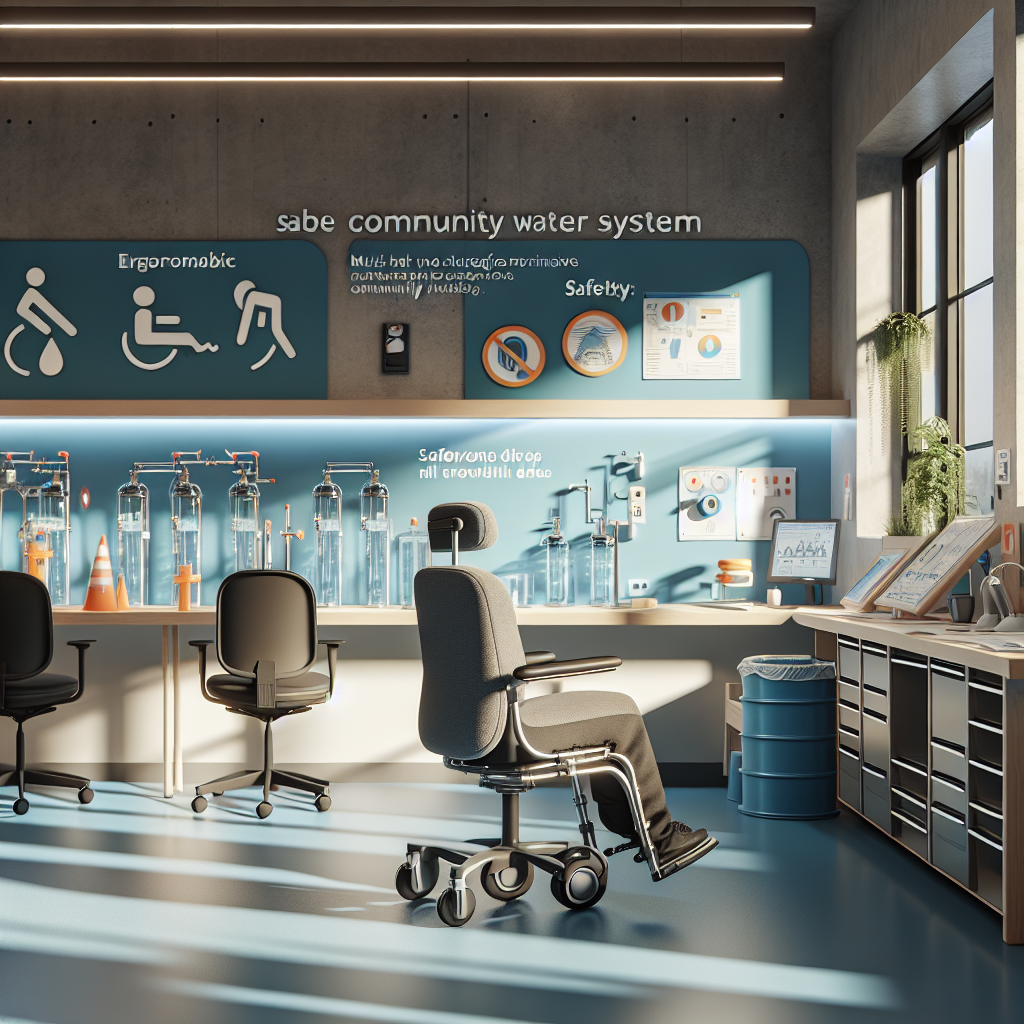
Working while coping with ALS can be difficult, but having the right ALS accommodations in place can help make the task less daunting. ALS is a progressive neurodegenerative disease affecting nerve cells in the brain and spinal cord. This degenerative process can eventually cause muscle weakness, clumsiness, and difficulties with the execution of straightforward tasks (National Institute of Neurological Disorders and Stroke).
Even though ALS is a challenging condition, many individuals with ALS still have the desire and ability to work, but they need accommodations to create a safe and productive workplace. In the context of a community water system for instance, workers with ALS may need specific devices or work modifications to help them continue working safely.
Actionable Strategies for Ensuring ALS Workplace Accommodations
Creating a safe and accommodating working environment can have significant positive impacts, not just for the person with ALS, but for the entire community as well. Here are some must-have ALS workplace accommodation strategies:
Tailoring Job Tasks
Reassign job functions that the employee with ALS finds challenging to other workers or automate them where possible. At the same time, ensure they are involved in tasks they can manage, allowing them to continue contributing meaningfully to the workplace.
Use of Assistive Technology
Utilize assistive technology devices such as speech recognition software, motorized wheelchairs, and hardware or software that can adjust the computer’s operation to the individual’s capability (Mayo Clinic).
Making Physical Alterations
These may include altering the workspace to allow for wheelchair access, implementing ramps or motorized lifts, and modifying bathrooms and kitchen areas to cater to employees with ALS.
Granting Flexibility in Working Hours
Employees with ALS may find a regular nine-to-five schedule draining. Consider adjusting their working hours or allowing flexible working schedules for these employees.
Educating Co-Workers and Managers
It is essential to educate the other employees about ALS to establish a supportive work environment. ALS workplace accommodations do not only involve physical alterations or use of technology but also a strong understanding and empathy from all team members.
By implementing these accommodations, those with ALS can continue working in a safe and supportive environment. Consequently, they remain contributing members of society despite their condition, enhancing their quality of life significantly.
Closing Thoughts
Creating a safe and accommodative ALS workplace, especially in community water systems, requires active participation from all stakeholders. While the strategies discussed above can facilitate better ALS accommodations, it’s crucial to continuously evolve these strategies based on the employees’ needs and technological advancements.
Ready to talk about implementing your ALS and Real Water case in the community water system and the workplace? Please reach out on our contact page for expert guidance and assistance. Feel free to explore more related content on our blog page for further insights on this and similar topics. If immediate assistance is required, don’t hesitate to call 702-385-6000 for fast, professional service.
References
– National Institute of Neurological Disorders and Stroke: ALS
– Mayo Clinic: Assistive Devices