Bulbar Onset ALS is something one needs to understand in detail so as to address issues in a timely manner. Whether it is you suffering from bulbar symptoms or you have a loved one undergoing similar conditions, gaining a comprehensive understanding is pivotal.
Intricate Aspects of Bulbar Onset ALS
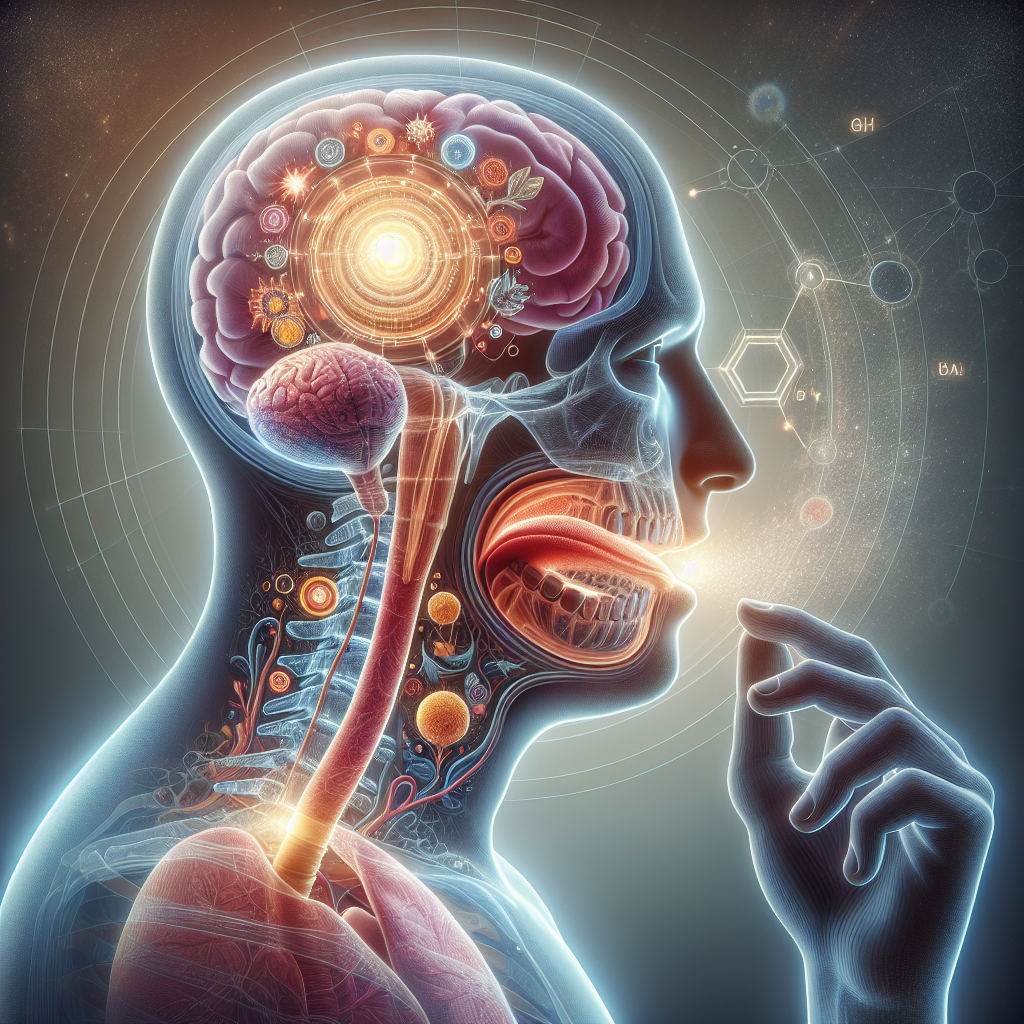
Amyotrophic Lateral Sclerosis (ALS), often referred to as Lou Gehrig’s disease, is a progressive neurodegenerative disease impacting nerve cells in the brain and spinal cord. ALS has two main types – limb onset and bulbar onset. Of these, bulbar onset ALS impacts 25% of all ALS patients.
Bulbar onset ALS, recognized by the initial presentation of speech and swallowing difficulties, is named after the portion of the brainstem known as the bulb where the motor neuron cells that control these functions reside. Once these nerve cells become damaged or die, they stop sending signals to the muscles responsible for these functions, leading to eventual muscle weakness and wasting.
Decoding Speech Swallowing ALS Symptoms
Speech swallowing ALS symptoms are amongst the first signs of bulbar onset ALS. Speech may start to manifest as slurred or nasal sounding, or the individual may experience a change in vocal quality. They may have problems with pronunciation, vocal pitch, or volume control. Both speech and voice problems are often the earliest signs and may start subtly before becoming progressively more noticeable over time.
Swallowing dysfunction in ALS, referred to as dysphagia, typically appears after speech disturbances but can occasionally be the first observed symptom. Dysphagia is marked by difficulties in swallowing food, drink, or even saliva. This can lead to choking, prolonged mealtime, inadequate nutrition, or dehydration. In time, this condition can also lead to a serious risk of aspiration, where swallowed food or drink enters the lungs, possibly causing infection or pneumonia.
It’s also worth noting symptoms aren’t confined to speech and swallowing difficulties. Bulbar onset ALS may also involve disrupted tongue movement, causing difficulties in licking, kissing, or sticking out the tongue. There may also be uncontrollable episodes of crying or laughing that may seem inappropriate given the context, a condition known as pseudobulbar affect.
Crucial Actions Toward Bulbar Symptoms
Getting an early diagnosis of bulbar onset ALS is crucial for management and treatment. Unfortunately, due to the progressive nature of the disease, there isn’t yet a cure for ALS. However, understanding and managing symptoms can significantly improve quality of life, prolong survival, and ameliorate overall wellbeing. Some methods for managing speech and swallowing dysfunction involve speech therapy, employing assistive speech devices, nutritional support and counseling, along with medicines, to help manage emotional symptoms.
Above all, having a competent health care team for individualized care is absolutely crucial. It can play a vital role in managing and dealing with the symptoms of bulbar onset ALS.
In conclusion, Bulbar Onset ALS affects a significant portion of those diagnosed with the disease, leading to a change in living patterns for those affected. Building a strong support network, understanding symptoms, and seeking timely treatment can go a long way in tackling this condition. It’s essential to embark on this journey with as much knowledge and support as possible, and never hesitate to seek professional advice.
Taking into account your unique circumstances regarding ALS and Real Water cases and should you have any queries, always feel free to reach out. You’re invited to visit the contact page of the site, dive into more articles with insightful knowledge via the blog page or make a call on the number provided – 702-385-6000. Our team of experts is always there to assist and provide you with reliable information to navigate these challenging circumstances.