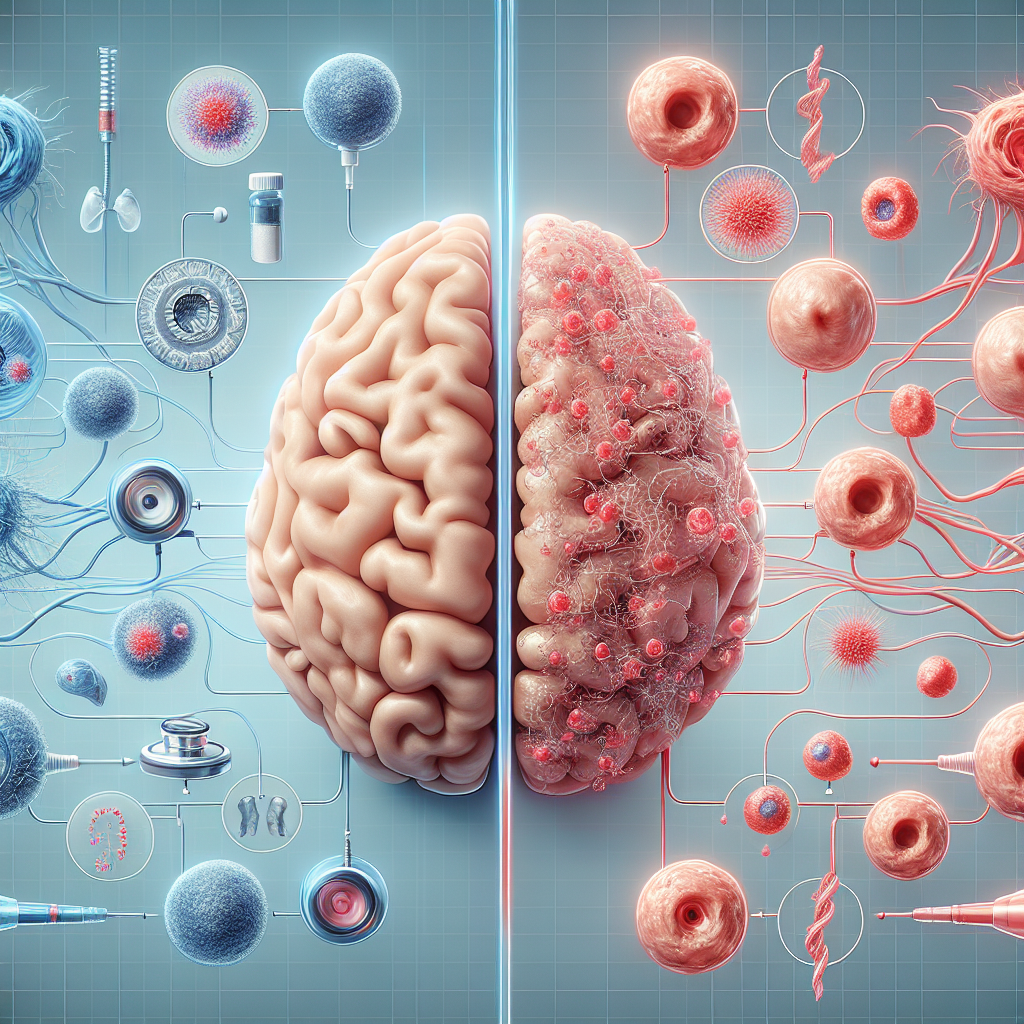
PLS vs ALS throws light on striking differences in slow progressing motor neuron diseases, known as MND. The conditions may appear similar, but they actually have some distinctive dissimilarities. In fact, the symptoms projected by them have direct impact on the lives of those affected. So let’s unearth the stark contrast between these two slow progressing MNDs with a deep dive into their specifics.
##Understanding Slow Progressing MND
Before we delve into the differences between pls vs als, it’s important to first understand what we mean by slow progressing MND. Motor neuron diseases are a group of conditions causing progressive damage to the nerves controlling the voluntary muscles of the body. Slow progressing MND is a type of MND that develops gradually over a period of time. This slow progression gives doctors and the person affected more opportunity to manage the symptom and plan for the future.
##PLS vs ALS: Primary Lateral Sclerosis
Primary lateral sclerosis (PLS) is a type of MND. It is less common compared to ALS. It typically affects the nerves in the brain, causing stiffness and movement problem. Unlike ALS, PLS is non life threatening. It brings about aggravating symptoms and affects the quality of life yet it does not lead to death. The symptoms of PLS may include difficulties in chewing, swallowing, speech, and progressive muscle stiffness. It generally afflicts people in their 50s and 60s, and progress at a slower rate compared to ALS.
##PLS vs ALS: Amyotrophic Lateral Sclerosis
Amyotrophic lateral sclerosis, known as ALS, is more common and happens to be the most severe type of MND. It has a major impact on both the brain and spinal cord, leading to muscle weakness that worsens over time. As ALS progresses, it brings about life threatening situations since it interferes with breathing. ALS affects people different, some may live with this condition for many years, for others, it may progress rapidly.
The real challenge is that there is no specific diagnostic test for ALS. The diagnosis relies heavily on the symptoms presented by the individual and ruling out other diseases. The symptoms of ALS may overlap with those of PLS, which makes the differentiation further complex.
##Differences PLS and ALS
The main distinctions between PLS and ALS are based on the progression rate, areas affected and the consequences. While PLS symptoms start slowly and cause physical discomfort, it does not cause death. Whereas, ALS is a fatal disease and has a significant toll on the person’s health including their respiratory functions.
Both conditions are relentless and progressive, but ALS progresses at a much faster rate compared to PLS. The symptoms of ALS are more acute and severe than those of PLS. ALS also presents a wider range of symptoms as it does not only affect the brain like PLS, but also the spinal cord.
PLS mainly causes symptoms like spasticity (stiffness of muscles), development of muscle weakness and loss of fine motor skills. On the other hand, along with these, ALS also leads to issues like muscle twitching, wasting, difficulty in breathing and swallowing, weight loss, mood swings, and uncontrolled weeping or laughing.
##Conclusion
Deciphering the differences between PLS vs ALS empowers patients and caregivers to better manage and understand these conditions. While both come under the umbrella of MND, the prognosis, symptoms and progression rate of each vary significantly. Biomedical research is constantly striving to develop innovative ways to slow progression and manage symptoms, giving hope to those living with MND.
In case you or your loved ones are dealing with ALS or PLS, don’t hesitate to reach out to us. Visit our contact page for any doubts or queries regarding ALS or PLS. If you seek more comprehensive analysis and articles about similar topics, feel free to browse our blog page. For immediate queries and assistance, call us on 702-385-6000. Our experts are at your service to guide and support you through this challenging journey.