Sporadic ALS along with hereditary ALS make up the two primary types of ALS. With their prominent differences in occurrence, risk factors and genetic components, understanding these two types of ALS provides an important insight for patients and caregivers alike. This article shines light on their significant distinctions to enhance your knowledge and capabilities in dealing with ALS.
What is ALS?
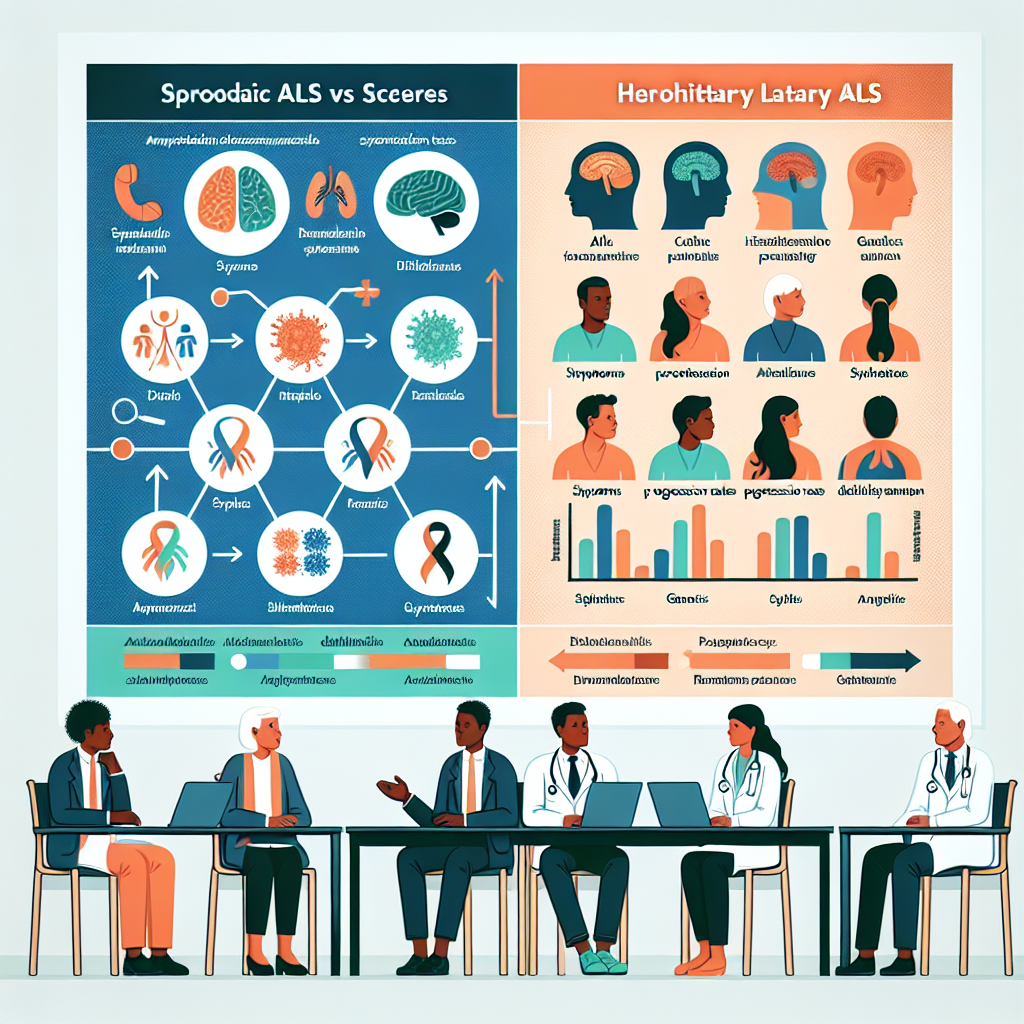
ALS, or Amyotrophic Lateral Sclerosis, is a diverse neurological disease that affects nerve cells in the brain and the spinal cord. This serious condition often causes muscle weakness and impacts physical function. Due to the progressive nature of ALS, symptoms tend to gradually worsen over time.
The Two Types of ALS: Sporadic and Hereditary
The types of ALS, sporadic ALS and hereditary ALS, may manifest similar symptoms, but their root causes significantly differ.
Sporadic ALS
Sporadic ALS serves as the most common type, accounting for nearly 90-95% of all ALS cases. As the name suggests, sporadic means the disease occurs randomly and has no known cause or clear risk factors. Despite extensive research, definitive causes behind sporadic ALS remain elusive, with only general links to certain environmental factors and potential exposure to toxins.
Hereditary ALS
On the other end, we have hereditary ALS, also known as familial ALS. It makes up the remaining 5-10% of cases and, unlike sporadic ALS, involves a clear genetic component. In these instances, ALS is due to a mutation within genes that gets passed down through generations. If one parent carries the mutated gene, each child has a 50% chance of inheriting it and potentially developing ALS, regardless of their gender.
Significant Differences between Sporadic ALS and Hereditary ALS
While symptoms between the two types of ALS may appear similar, they do have distinguishing characteristics:
1. Genetic predisposition: Hereditary ALS involves a direct genetic link, with the disease running in families. On the contrary, in sporadic ALS, there is no family history of the disease.
2. Age at symptom onset: Hereditary ALS often presents symptoms at a younger age compared to sporadic ALS.
3. Potential Carrier Impact: With hereditary ALS, even if symptoms do not surface, the individual still carries the potential to pass on the flawed gene to the next generation. In contrast, sporadic ALS does not impact the genetic information passed onto offspring.
In conclusion, the fundamental difference between sporadic ALS and hereditary ALS lies within their cause and how the disease is acquired. In sporadic ALS, the cause is unknown and may involve environmental factors. However, in hereditary ALS, the cause stems directly from a mutated gene inherited from a parent.
However, it’s crucial to remember every ALS case is unique. Despite sharing the same landscapes of symptoms, the progression rate and severity might not be the same. Therefore, it is essential that every patient undergoes extensive tests and consultations to obtain accurate diagnosis and treatment.
For more information about your specific ALS case or if you are dealing with a Real Water case, feel encouraged to reach out. Visit our contact page on the site for further assistance, or reach us directly by phone at 702-385-6000.
Stay informed. Our blog page on the site is a fantastic resource to delve deeper into relevant topics and maintain an up-to-date understanding of complex conditions like ALS. Knowledge is power, and we endeavor to make that power accessible to you in your journey in dealing with these challenges. Don’t hesitate to call us anytime at 702-385-6000. We’re here to help.