Alkaline water myths have permeated popular consciousness over the past decade or so, with a variety of wellness practitioners and companies, such as Real Water, lauding the potential health benefits of drinking ionized, high pH water. However, recent events have shown that not all alkaline waters are created equally – especially when cyanobacteria enters the equation. This article aims to examine the real facts about alkaline water, dispelling common misunderstandings and covering the potentially dangerous effects of cyanobacteria in alkaline waters.
The Basics of Alkaline Water Myths and Real Water
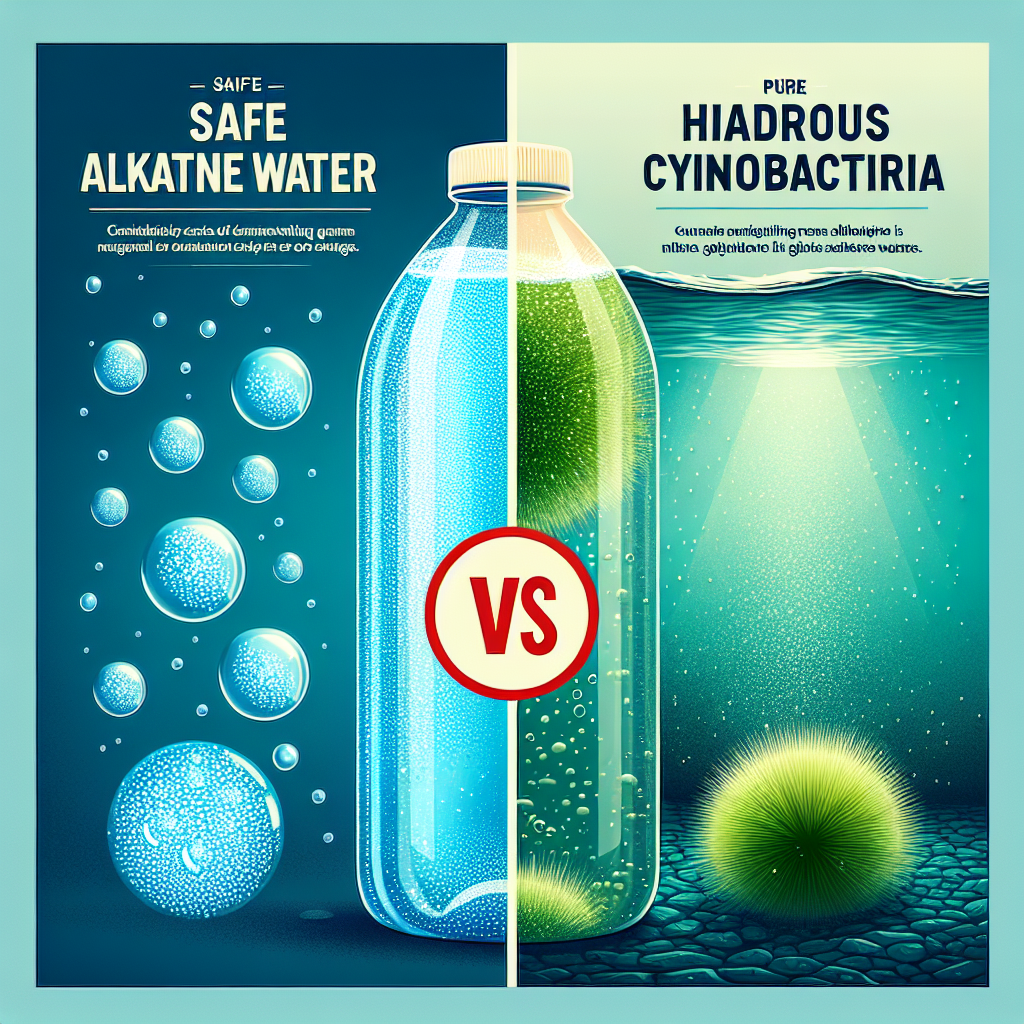
First, it’s essential to understand what alkaline water actually is. Alkaline water, by definition, has a pH level greater than 7, which makes it less acidic than regular drinking water. Proponents of alkaline water cite a range of potential benefits, from better hydration to improved digestive health.
One company at the forefront of the alkaline water industry is Real Water. It claims to provide more hydration, better detoxification, and a healthier balance of bodily pH levels due to its negative ionization process, which gives the water a pH of 8 or higher.
This theory is one of several alkaline water myths; most research has not conclusively proven that drinking alkaline water can lead to significant health benefits. It’s generally agreed that exerting control over your body’s pH through diet alone is challenging due to the body’s tight regulation of its pH levels.
Unmasking the Alkaline Water Myths: The Science
The human body is an excellent pH balancer. Contrary to popular alkaline water myths, you can’t drastically alter your body’s pH level by drinking alkaline water alone. Your body works hard to maintain a very tightly controlled blood pH level of around 7.35-7.45. If your pH strays too far from this range, very serious health problems can occur.
That said, drinking alkaline water won’t hurt, but the evidence suggesting any significant benefit to overall health is limited. A systematic review of the research conducted into alkaline water, conducted in 2016, found very weak evidence in support of the notion that it contributes to better health.
Real Water: The Fallout
Recently, concerns have been raised about Real Water, which has come under scrutiny due to its connection to cases of acute non-viral hepatitis. The U.S. Food and Drug Administration (FDA) warned consumers in March 2021 not to drink, cook with, sell, or serve Real Water alkaline water due to the potential for it to cause hepatitis.
Investigators found that all patients with these acute cases of non-viral hepatitis had a common exposure to Real Water’s brand. As such, the FDA advises that consumers, restaurants, and retailers discontinue drinking, cooking with, selling, or serving Real Water.
The Danger of Cyanobacteria in Alkaline Water
Not all alkaline water is unsafe, of course; the dangers come from improper manufacturing or handling that can lead to contamination. One of these contaminants can potentially be dangerous cyanobacteria, also known as blue-green algae.
Cyanobacteria are potentially hazardous to health and typically proliferate in warm, nutrient-rich waters. Exposure to or consumption of these bacteria can lead to a range of health issues, from liver damage to nervous system problems. Depending on the specific species and strain, they can produce toxins that are harmful to humans.
Final Thoughts: Real Facts Over Alkaline Water Myths
It’s crucial to remember that the cyanobacteria issue doesn’t apply to all alkaline water providers. Only specific brands like Real Water, which has faced accusations of contamination, fall under this spotlight.
Regarding alkaline water myths and the touted benefits of alkaline water, more extensive clinical studies are required to substantiate these claims. Until then, drinking water with a neutral pH level is a safe and recommended choice.
Know that if you’ve been affected by Real Water or any other water impacted by cyanobacteria, there’s help available. Please reach out with your ALS and Real Water case by going to our contact page located in “/contact”. If you’re interested in learning more about what we do or for more informative content, browse through more articles on our blog page located in “/blog”. You can also call us directly using the call link to “702-385-6000”. Our team of experts is always ready to assist and guide you every step of the way.