ALS Basics forms the foundation of our knowledge on a pervasive and crucial disease known as Lou Gehrig’s disease. This condition, often more formally referred to as Amyotrophic lateral sclerosis (ALS), holds significant relevance in both medical and historical contexts. Many of us might have heard the name associated with a viral online ‘Ice Bucket Challenge’ or any number of high-profile fundraisers, but the true depth of understanding behind this ever-relevant issue can often lie shrouded in mystery or misunderstanding. Today, we hope to dispel these uncertainties by digging deep into the ALS basics and understanding the legacy of Lou Gehrig’s Disease.
Getting to Know the ALS Basics
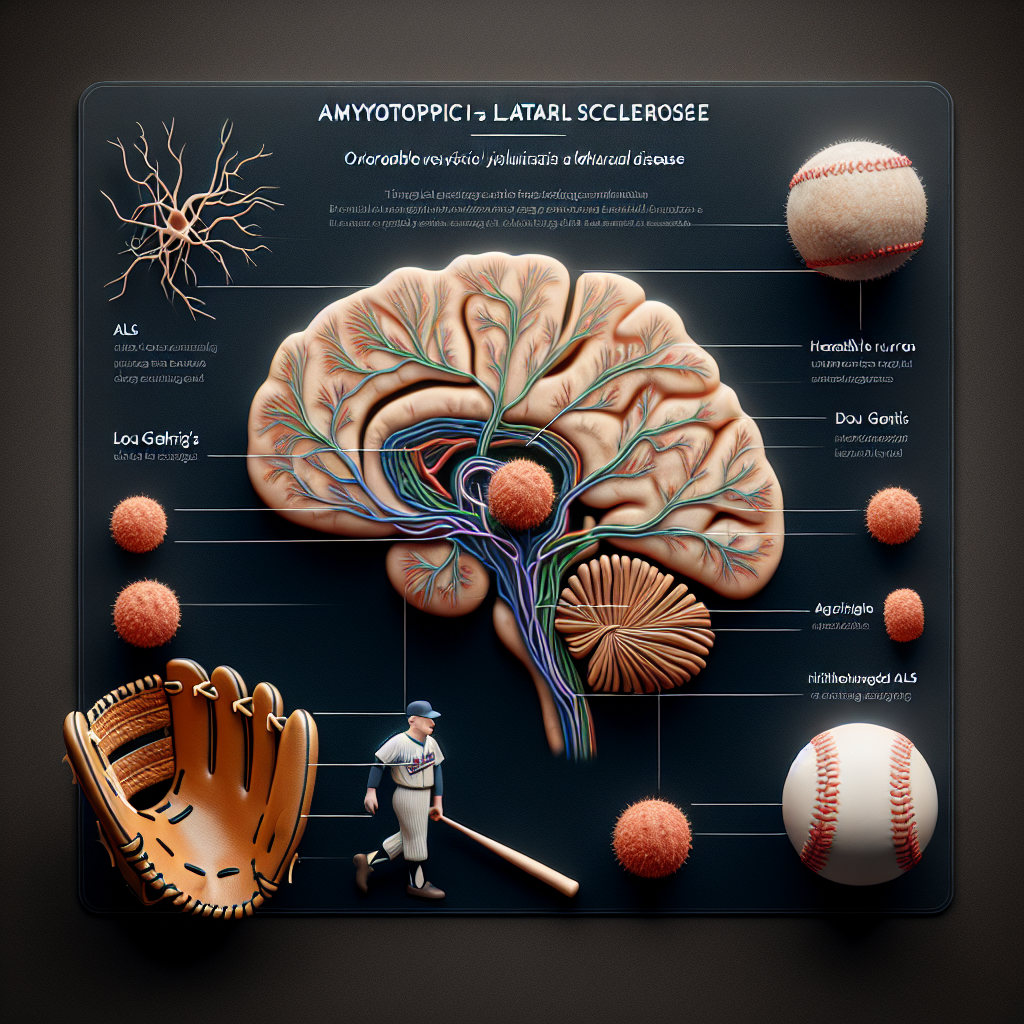
Amyotrophic lateral sclerosis (ALS) is a progressive neurodegenerative disease that affects nerve cells in the brain and spinal cord. As the disease progressively damages these neurons, it leads to their death. When the motor neurons die, the brain loses its ability to control muscle movement. Over time, this loss of control can lead to complete paralysis.
Many individuals may wonder about the root causes of ALS. However, like many complex neurodegenerative diseases, the reasons why some individuals develop ALS remain unclear. In only about 5 to 10 percent of cases, ALS is inherited – these cases are known as familial ALS. The remaining 90 to 95 percent of cases are called sporadic ALS, which means it occurs randomly without any discernible cause.
The symptoms of ALS vary greatly among individuals. For some, the symptoms start with a bit of trouble lifting a mug or difficulty walking. For others, it commences with a persistent slur in their speech. As the disease progresses, individuals will experience more muscle weakness, difficulty with speech, swallowing, and breathing, among other symptoms.
Despite the serious nature of ALS, it does not affect a person’s intellectual reasoning or capacities. It also generally does not affect the senses, meaning sight, touch, hearing, taste, and smell are usually not impaired.
Understanding Lou Gehrig’s Disease
When it comes to the story of Lou Gehrig’s disease, we’re not merely talking about ALS basics – we’re sharing a tale of courage and legacy. Named after the legendary baseball player who was diagnosed with it, Lou Gehrig’s disease is simply another name for ALS. Lou Gehrig was a symbol of endurance and tenacity, holding the record of playing 2,130 consecutive games, a feat that was not exceeded until 56 years later.
Sadly, Lou Gehrig’s stellar career was cut short at the age of 36 when he was diagnosed with ALS. Yet, in the face of this devastating diagnosis, Gehrig showed staggering grace and strength. The legacy he left behind was not just of his incredible baseball career, but also his battle with ALS. His experience brought national and international attention to the disease, leading to increased scientific and medical efforts towards understanding and fighting ALS.
Gehrig’s legacy continues to impact the fight against ALS today and is undoubtedly an unforgettable aspect of ALS history. Therefore, when speaking about Lou Gehrig’s disease, it is not just the ALS basics we should remember, but also the heartening legacy of Lou Gehrig himself.
Battling Lou Gehrig’s Disease Today
In a world where medical technology is continually advancing, we can still find ourselves seemingly powerless in the face of ALS. Unfortunately, no known cure has been found for this disease. However, research is ongoing and promising advancements are being made.
Several drugs have recently been approved that slow the progression of the disease. Moreover, various supportive treatments can help manage symptoms, reduce discomfort, and maintain quality of life for as long as possible. This includes physical therapy to enhance mobility and ease muscle stiffness, speech therapy to address speech difficulties, and nutritional support to ensure adequate sustenance when swallowing becomes difficult.
While confronting ALS is indeed an uphill challenge, individuals affected by it are by no means alone. Various non-profit organizations are dedicated to supporting those with ALS and their families. These include the ALS Association, Project ALS, and several others that offer informational resources, practical support, and contribute to ongoing research.
In Conclusion
In understanding the ALS basics and the legacy of Lou Gehrig’s disease, we come face to face with a blend of medical complexity, historical significance, and ongoing efforts to combat this disease. ALS remains an everyday reality for many, a constant reminder of the work still to be done.
If you or a loved one has been diagnosed with ALS, it can be helpful to reach out to professionals for guidance and support. Visit us at our contact page located in “/contact”, for any questions or concerns you might have about an ALS or Real Water case. You may also wish to explore more of our informative content on the blog page located in “/blog”. Furthermore, you can call us directly at “702-385-6000” for any immediate concerns or assistance you may need. Together, we can navigate this challenging journey.