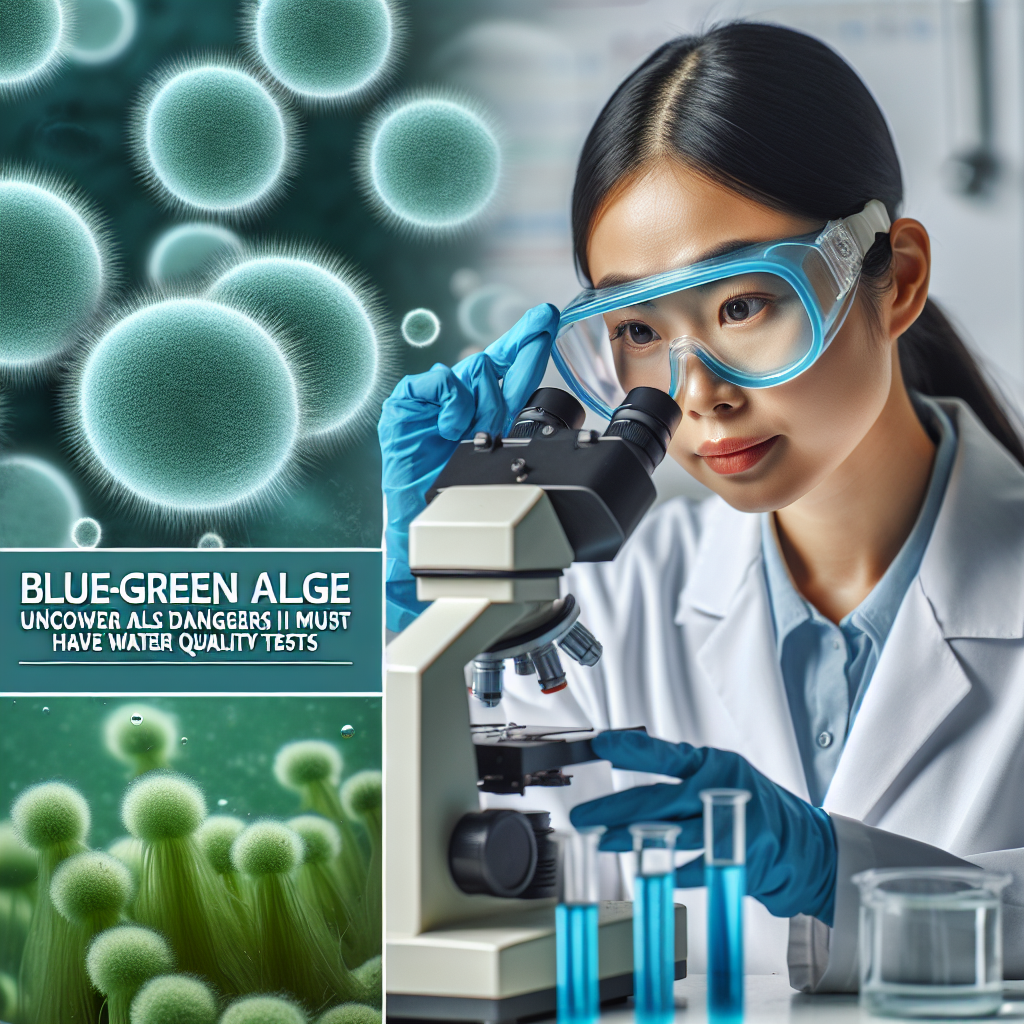
Blue-green algae, a seemingly harmless component of aquatic ecosystems, has shocked the medical and scientific world due to its potential link to amyotrophic lateral sclerosis (ALS), a devastating, life-threatening neurological disorder. To fully understand how these algae pose ALS dangers, there is an increasing need for systematic water quality tests to uncover hidden threats.
The Dark Side of Blue-Green Algae
On the surface, blue-green algae—which are technically bacteria known as cyanobacteria—might not seemingly pose harm. They are microscopic organisms found naturally in freshwater systems across the globe. However, when they multiply excessively leading to what’s called an algae bloom, the potential for danger escalates.
Blue-green algae produce toxins that may harm individuals who swim in, drink, or inhale droplets from the contaminated water. Skin contact can result in rashes and irritation, while ingestion in large amounts can lead to vomiting, diarrhea, fever, and more severe health issues.
A concerning finding is the possible link between blue-green algae and ALS. Studies have shown that beta-N-methylamino-l-alanine (BMAA), a toxin produced by cyanobacteria, might be a key factor in the development of neurological diseases such as ALS.
Blue-Green Algae and ALS Danger: The Alarming Connection
ALS, also known as Lou Gehrig’s disease, is a progressive neurodegenerative disease that affects nerve cells in the brain and the spinal cord. It leads to loss of muscle control, paralysis, and, ultimately, death.
While the exact cause of ALS involves an intricate web of factors including genetic predisposition and environmental triggers, several studies have indicated a potential association between ALS and chronic exposure to BMAA. In Guam, where incidences of ALS are disproportionately high, locals’ consumption of cycad seeds and flour, known to carry high levels of BMAA, fueled theories of association between ALS and blue-green algae.
Interestingly, research has found BMAA in the brain tissues of some ALS patients. Although current evidence does not prove a direct cause-and-effect link between blue-green algae and ALS, the potential toxicological effects cannot be disregarded and call for extensive investigation.
Water Quality Tests: A Necessary Measure
Highlighting the importance of water safety, comprehensive water quality tests have become a keystone of public health measures. Such tests detect the presence of blue-green algae and can identify the exact species of cyanobacteria responsible for the toxin production.
Lifeguard-systems and on-site test kits are available that offer a quick and easy way of examining water samples for cyanobacterial toxins. These equipment provide instantaneous warnings of potential threats, facilitating prompt action to safeguard public health.
In light of the possible connection between blue-green algae and ALS, water quality tests are not merely a good preventive measure. They are, without dispute, a must-have, especially for those living in areas where water bodies have been, or could be, affected by blue-green algae blooms.
Conclusion: Safeguarding Against Algal-Borne ALS Danger
The emerging storyboard of blue-green algae in the ALS narrative is not one we can afford to ignore. While further research is necessary to solidify the links and explore the interplay of factors, taking proactive steps to guarantee the safety of water resources is vital.
Regular conduction of comprehensive water quality tests can help detect the presence of blue-green algae and its toxins early, facilitating a safer environment and potentially mitigating the risk of contracting neurodegenerative diseases like ALS.
Every hint of potential danger is significant when heeding public health. Concerned about blue-green algae and ALS? By knowing what’s in your water, we can win half the battle.
If you need more information regarding your ALS and Blue-Green Algae exposure-related case, don’t hesitate to reach out. Visit our contact page at “/contact” or give us a call at “702-385-6000”. Want more informative articles like this? Head to our blog page “/blog” for a raft of other engaging, crucial topics to help you to stay safe!